
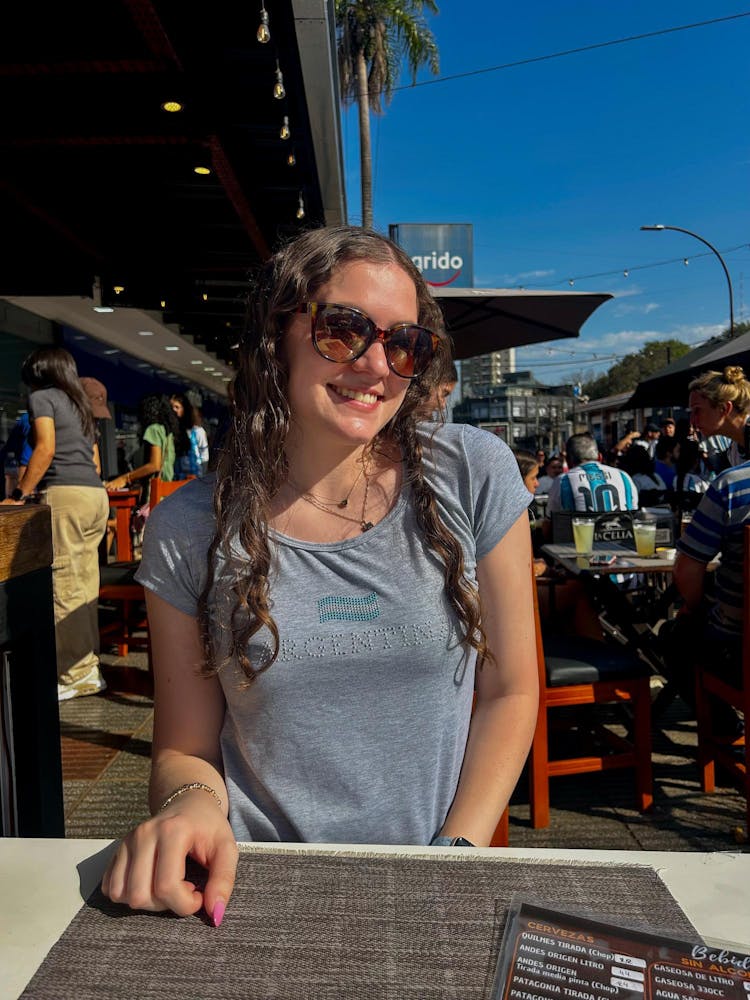
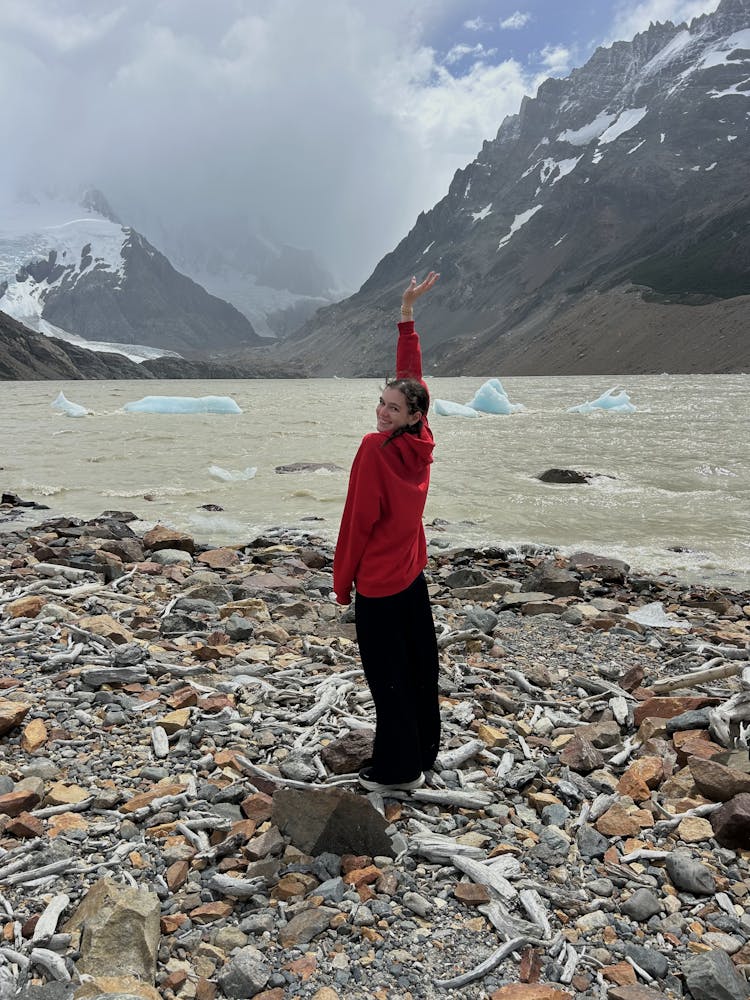
During college, you might encounter several people, including your advisor, who will tell you studying abroad is a great option you should take advantage of. It’s certainly a canon event to have a classmate whose entire personality is the time they spent in another country.
As one of those obnoxious people who never shuts up about her two incredible experiences abroad, I cannot stress enough the value they have brought to my classes, resume and everyday life. I truly believe it is worthwhile and beneficial for students in any major.
Studying abroad introduces you to new people, expands your worldview and forces you to learn in an unfamiliar environment.
Miami University offers several different types of study abroad programs. The most popular option is at Miami’s international campus branch in Differdange, Luxembourg, which caters to a wide range of students. There are also faculty-led trips over winter, spring and summer breaks to a variety of locations around the globe, most of which target specific majors based on the professors who lead them.
I’m a Spanish education major, and one of the requirements was to spend 10 weeks in a Spanish-speaking country. The goal was to increase fluency through immersion to pass the two required proficiency tests for world language teaching licensure.
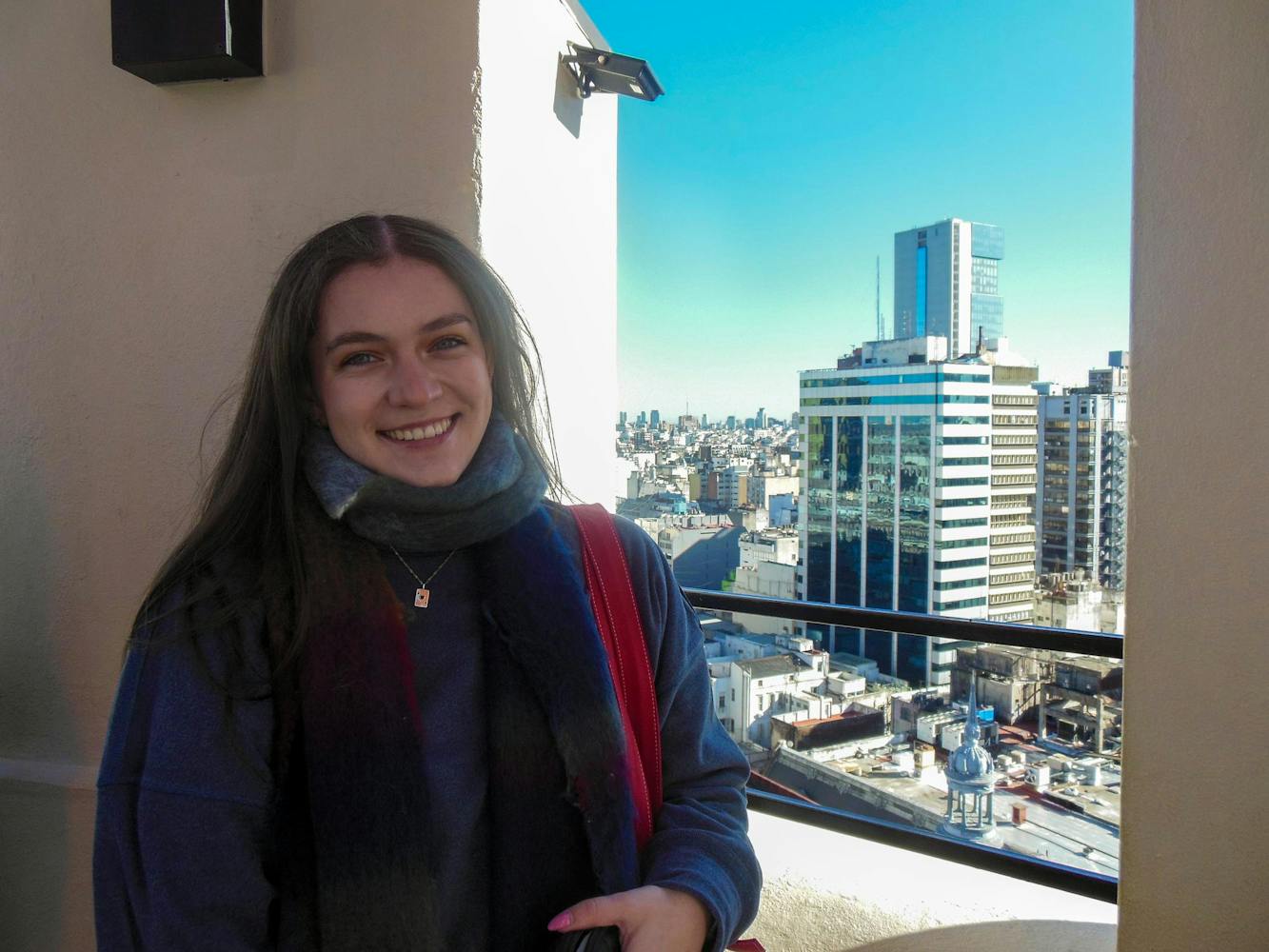
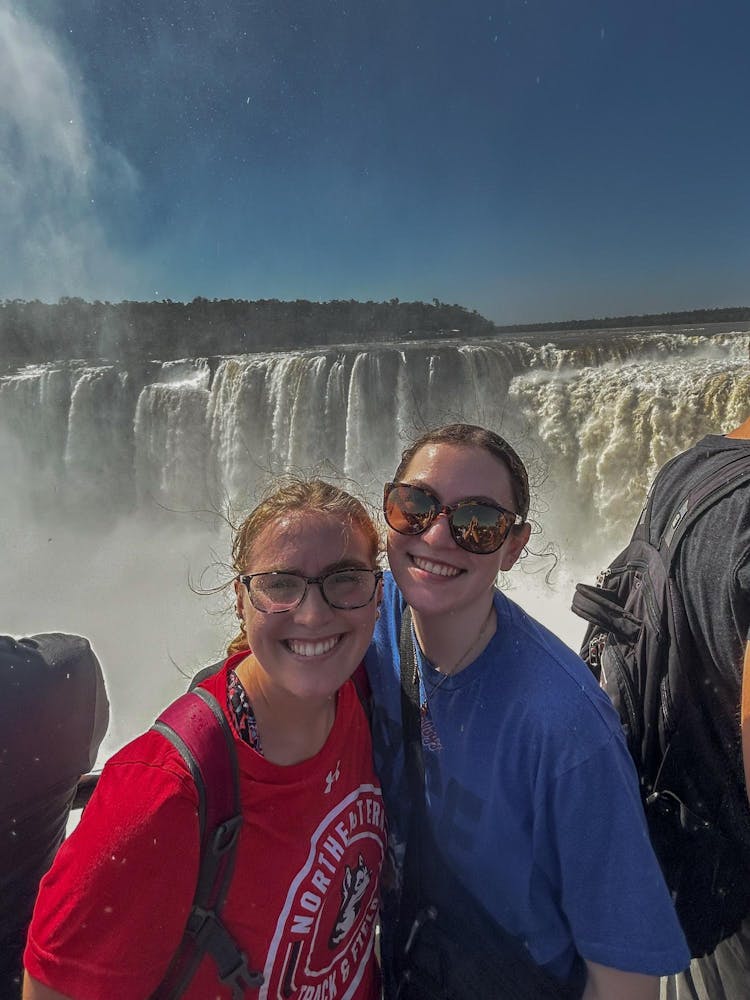
Though most people choose to go for a semester, I decided to split my time between a four-week winter trip and a six-week summer trip, respectively. I spent both in Argentina, through two different program types.
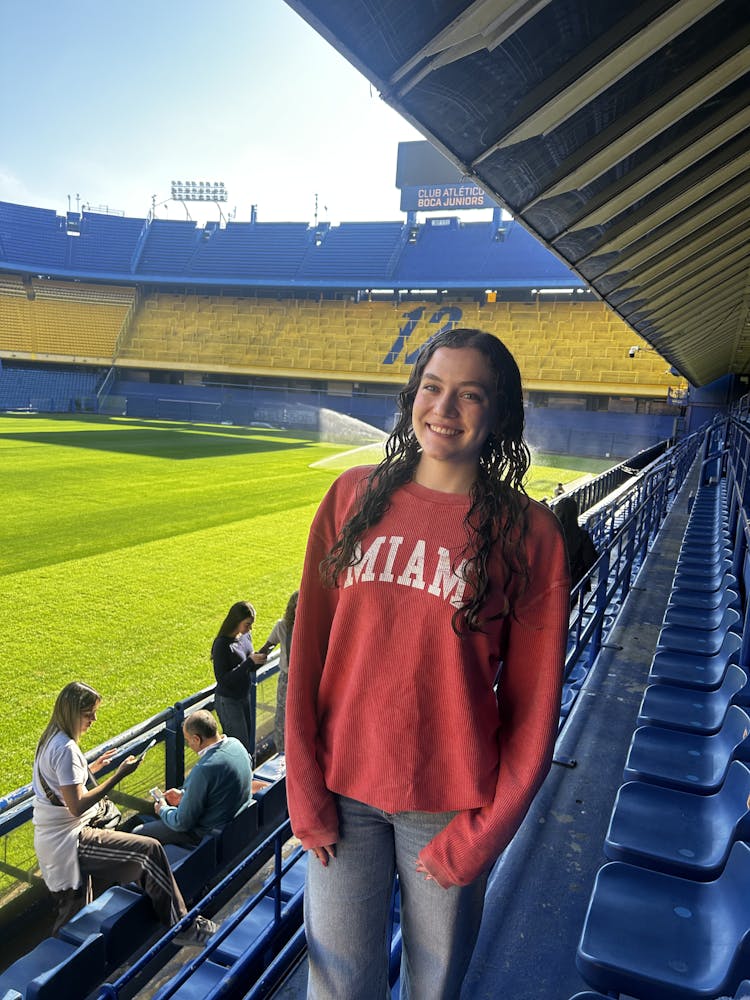
My first trip was called “Business and Conversational Spanish in Argentina,” led by Spanish professor David Motta. My second trip was called “Latin American Studies in Buenos Aires,” and was a provider program through a company called Worldstrides that set up my housing and enrolled me in classes at the University of Belgrano.
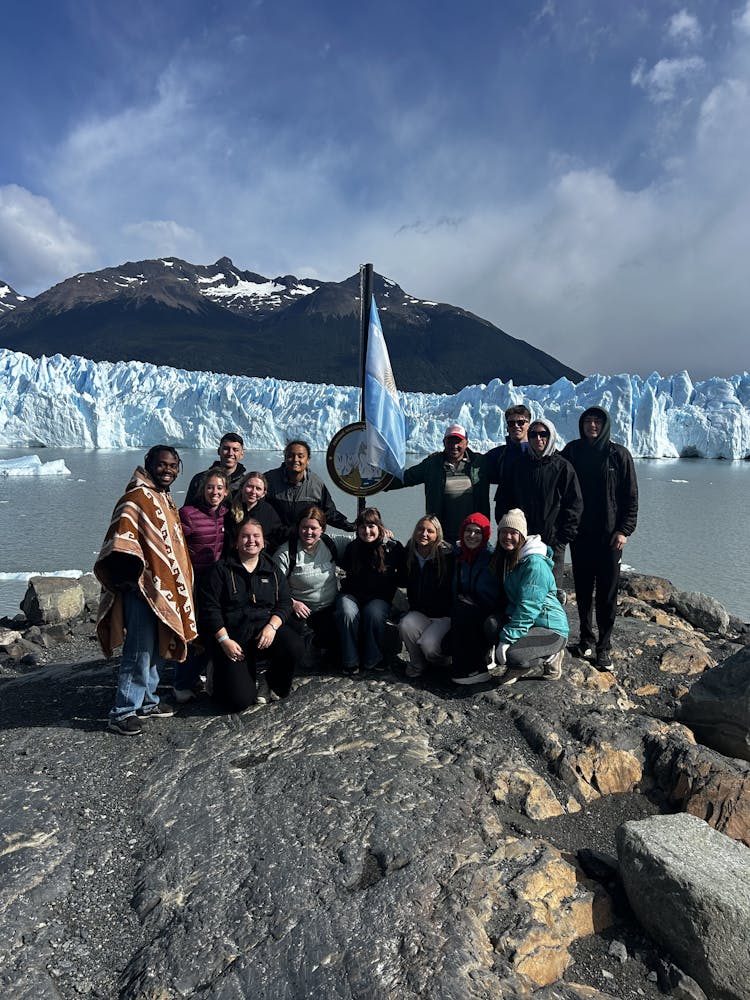
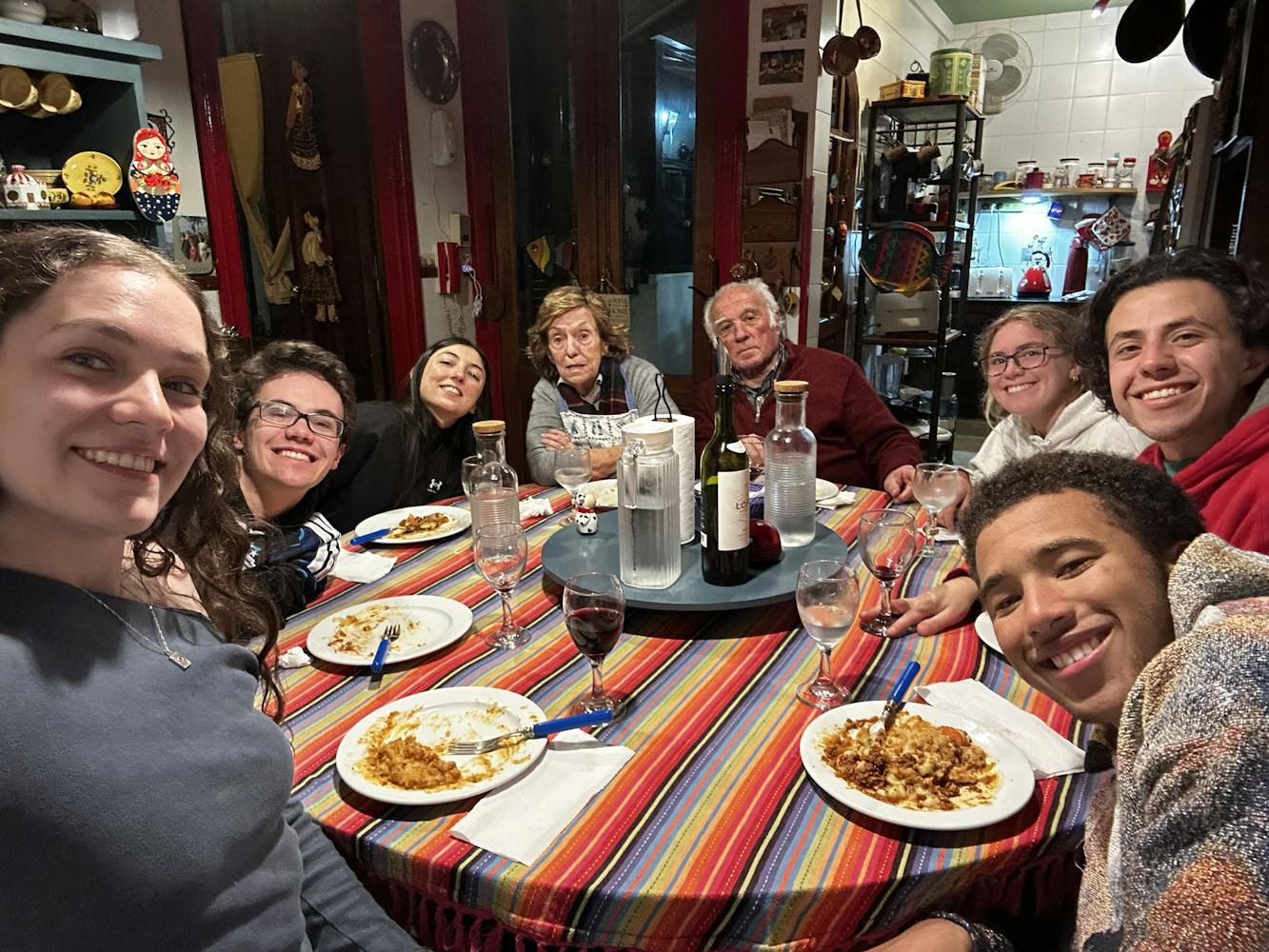
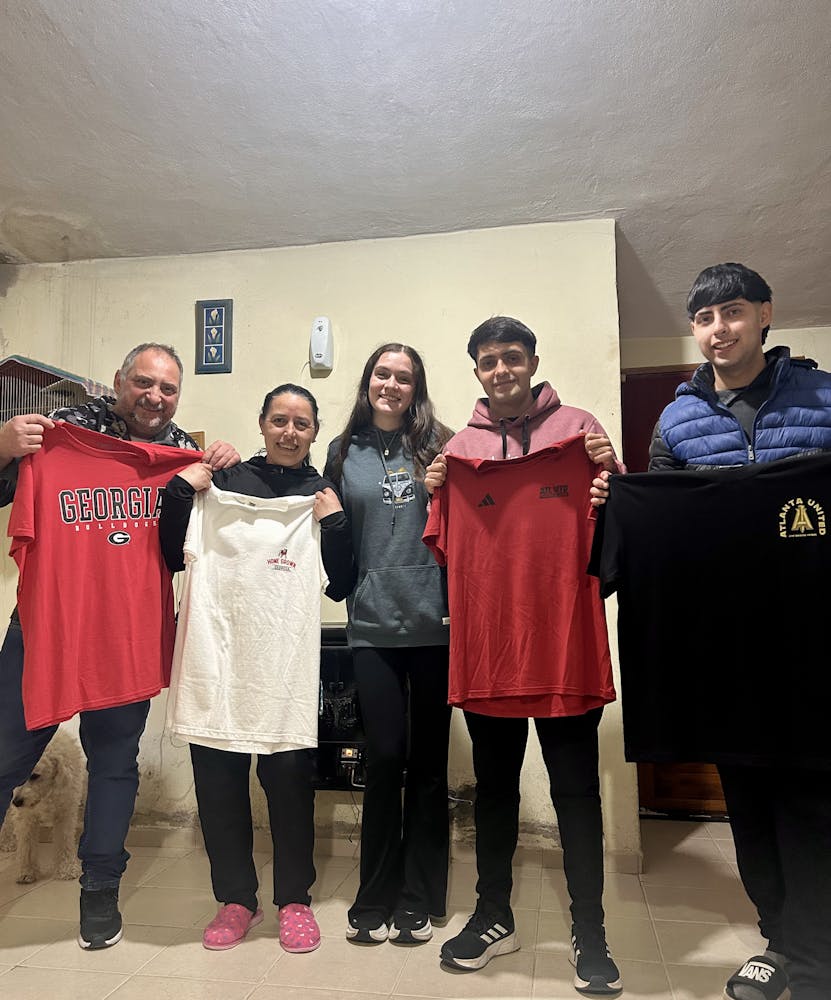
On my first trip, I only knew the professor and one other person before touching down in Colonia Almada, Argentina, although all 14 of us were Miami students. I was staying in the house of two locals I had never met, and I remember being so anxious my first night. Not knowing anyone and having to speak in Spanish 24/7 was daunting, and in the moment it felt unbearable.
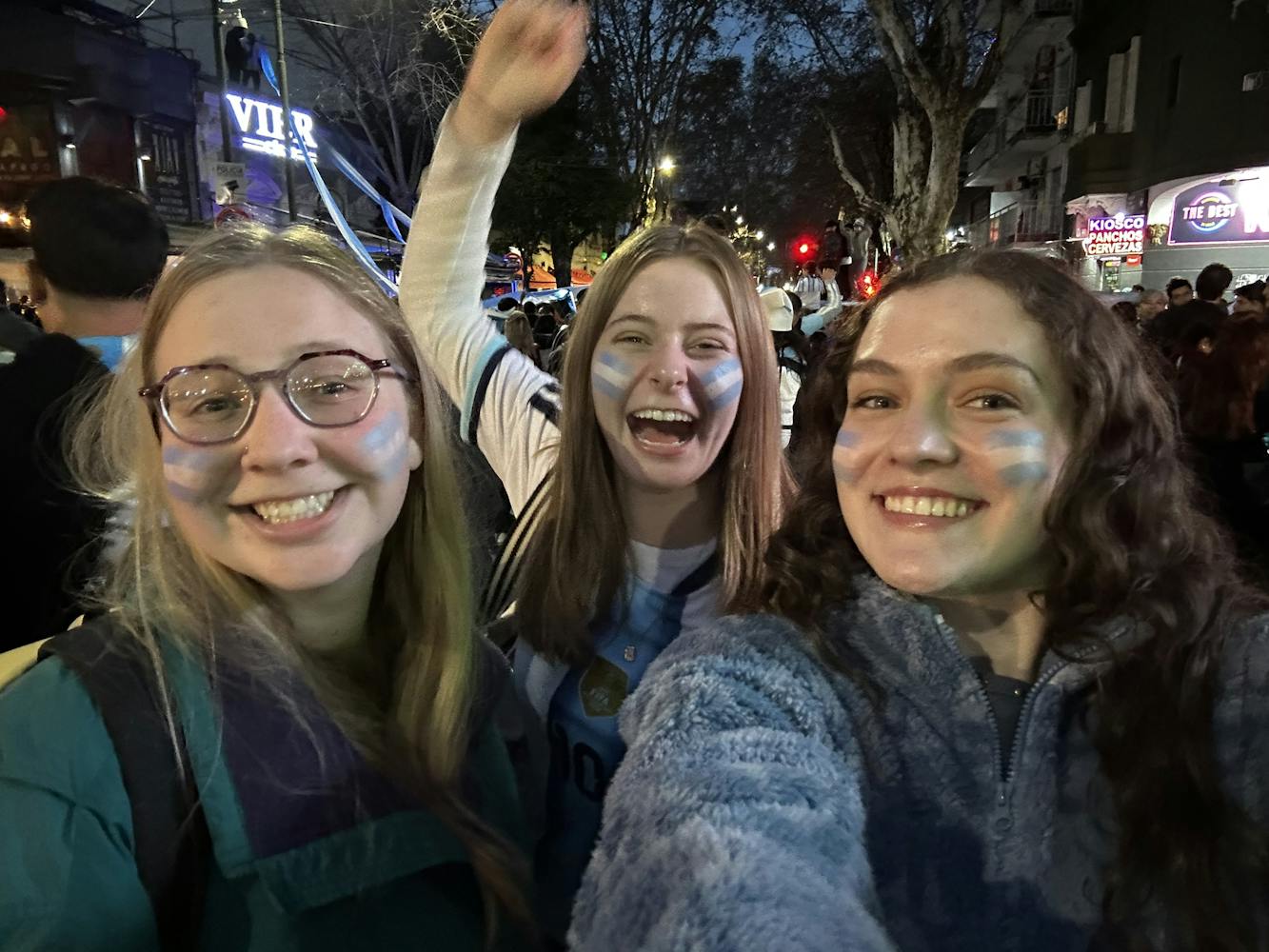
Over the following weeks, I met people who became my new family and learned more Spanish than I ever could’ve in a standard classroom. As we travelled to Patagonia and Buenos Aires, we became a tight-knit group that is still connected months later.
I pushed myself, mentally and physically, most notably completing a 12-mile hike after not hiking in at least five years. I realized material belongings mean much less than true connection when I noticed all the clothes I own probably couldn’t fit in my host parents’ small two-bedroom house.
I did things I didn’t know I was capable of, got out of my comfort zone and learned enough to pass both of my proficiency tests when I got back. It was a learning experience not only as a student, but as a person.
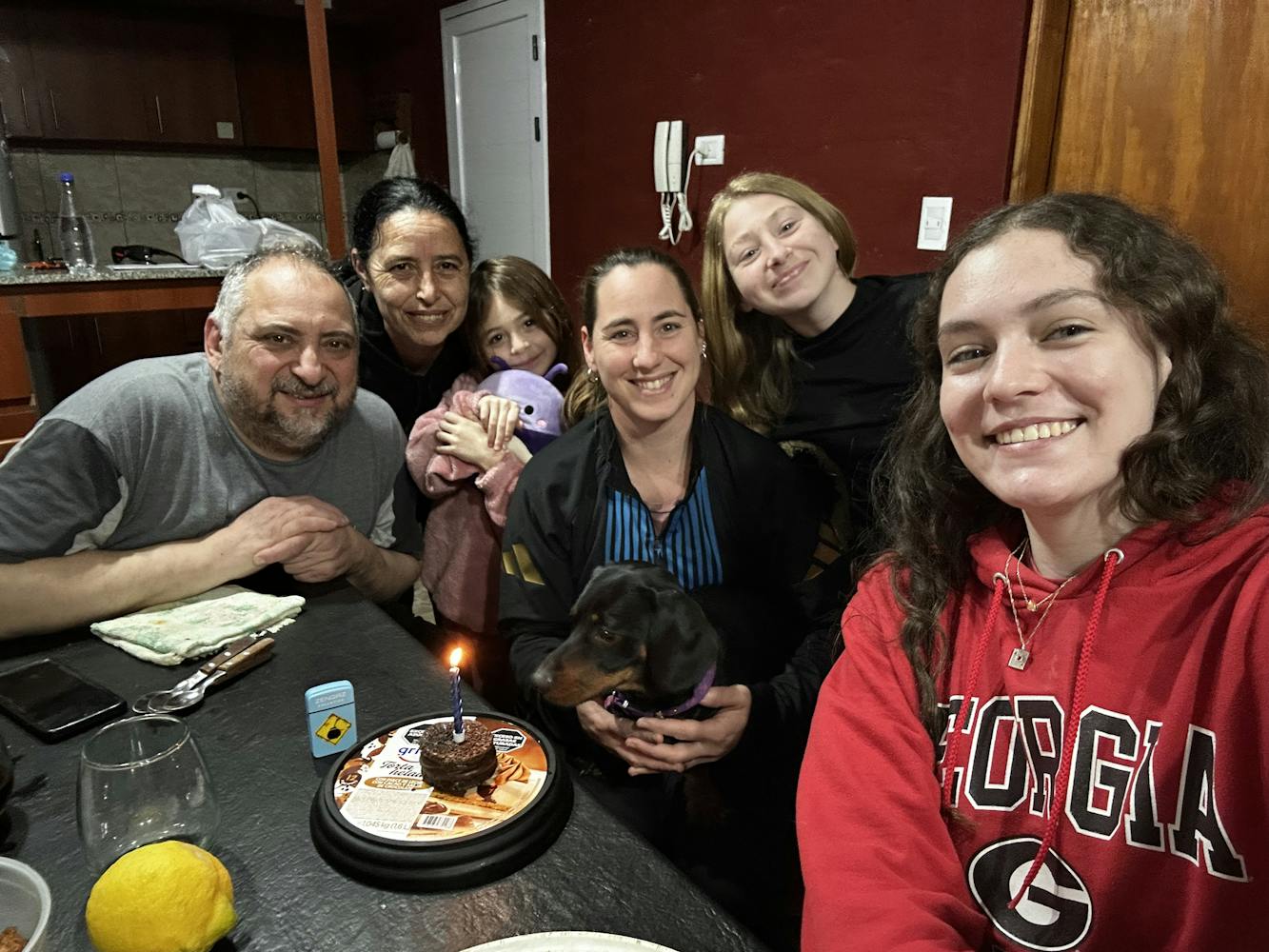
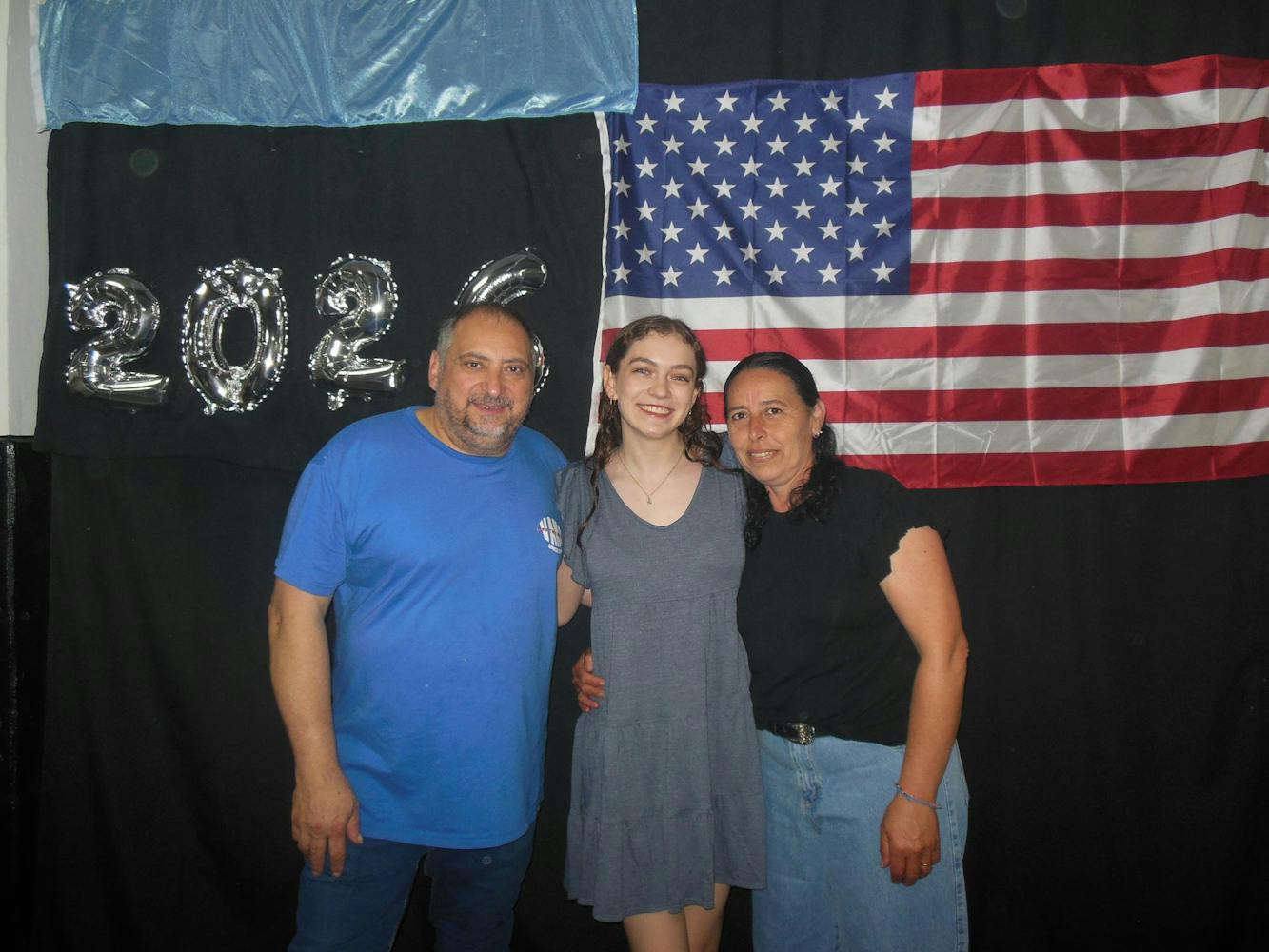
While planning my second trip, I decided to leave the U.S. a week early and spend time with my host family from my first trip. They welcomed me back into their home as if I were their daughter, and the love I felt from everyone in Colonia Almada was immeasurable.
Enjoy what you're reading?
Signup for our newsletter
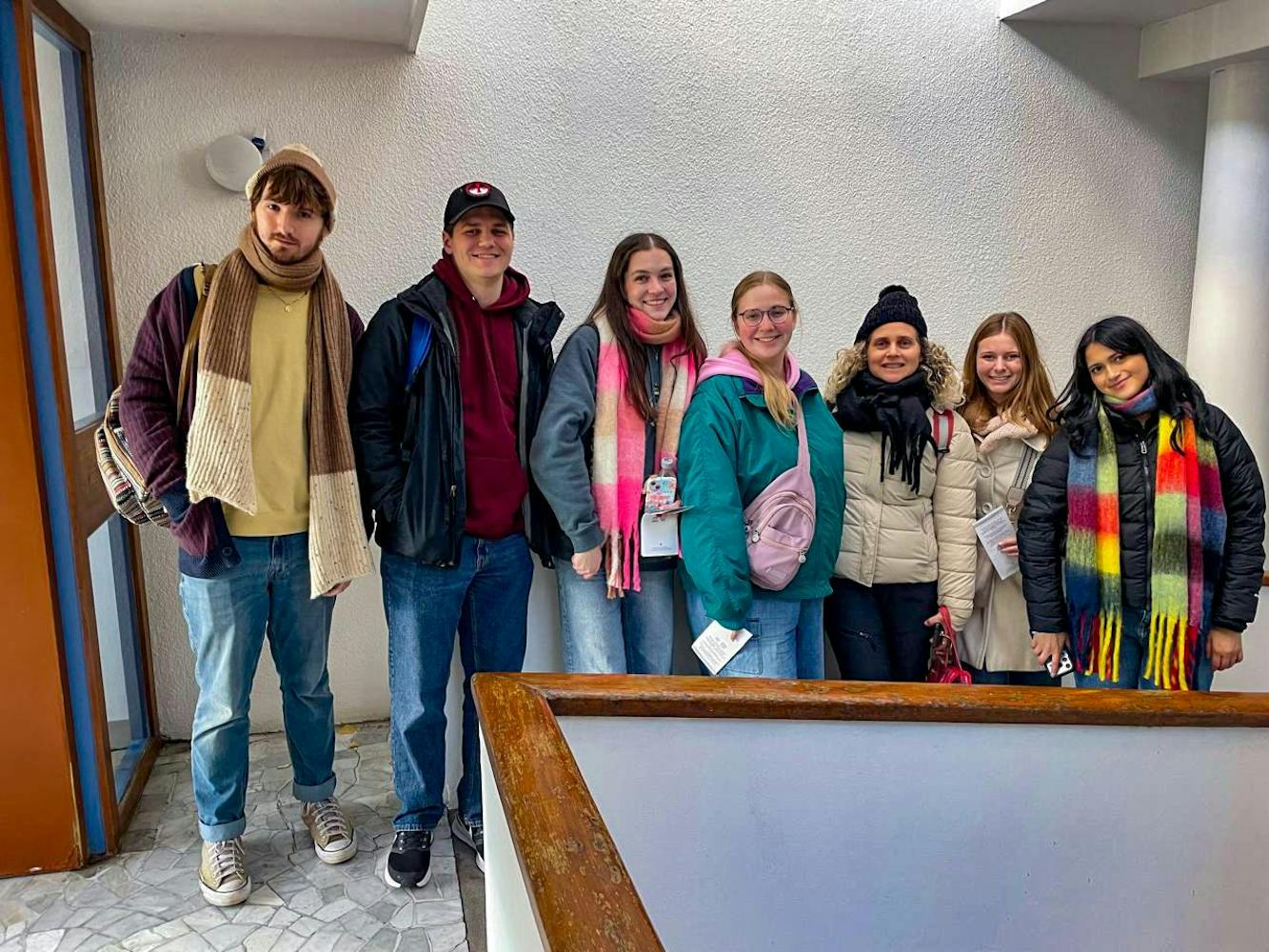
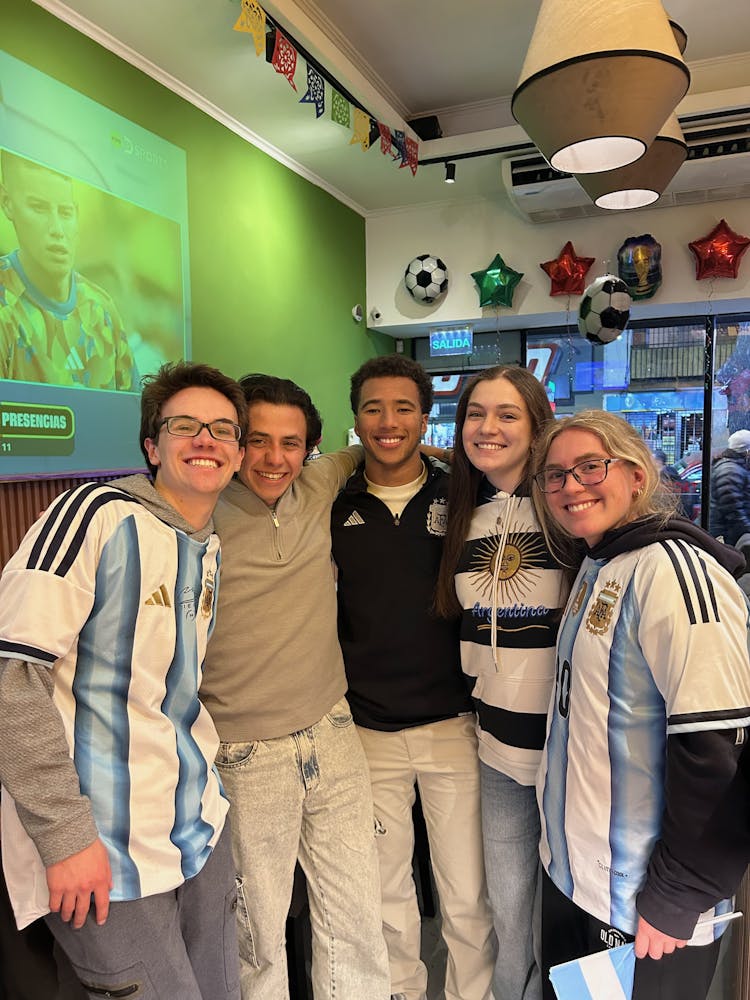
My second program was very different; I truly knew no one this time, including the four students living at my homestay and the five American students in my classes. I was taking two classes with native Argentinian professors.
One unique thing about the classes was that we took weekly field trips around the city, exploring the class concepts in real life and seeing how applicable they were. Both professors were kind and patient, and with a small class, I had a more personal learning experience where I got to know everyone.
I built connections with those around me, which helped improve my Spanish even further and helped me see things from different perspectives.
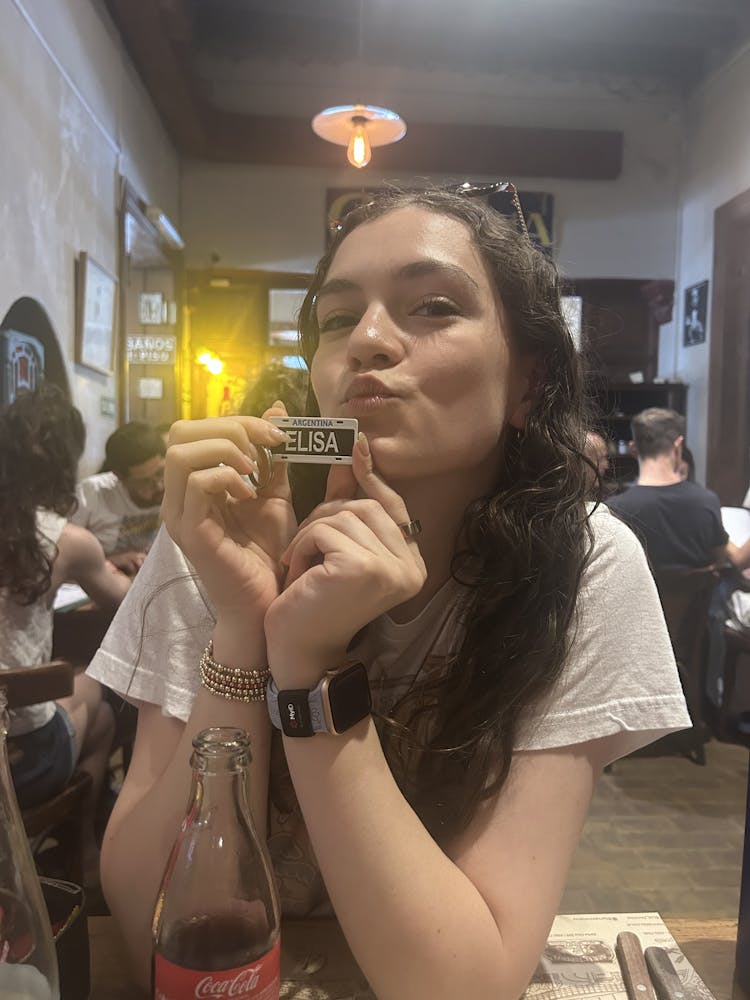
I left Argentina for the second time with even more people I consider family and close friends, all of whom I want to keep in touch with. I hope to return to that beautiful country again and have even considered working there for a year to experience something new before I enter the American workforce.
I feel more confident now in my Spanish classes, am ready to begin my teaching career and now see the world through a more understanding lens. I wouldn’t trade my 10 weeks of first-hand experience for years of learning in a classroom setting, and college is the time to make these kinds of memories and get outside your comfort zone.
So book that trip. Learn the culture. Speak the language. Have your life changed for the better.
Elisa Rosenthal is a senior Spanish education major with a passion for writing and storytelling. She’s originally from Georgia and writes sports articles for The Student, honoring a long family love for college sports.
Read More

An unexpected contributor: How AI is shaping class projects
By Shannon Mahoney | 2 days agoA survey, conducted by a team of Miami University professors, showed 92% 0f student respondents reported having used generative Artificial Intelligence (AI), and 88% reported using it for academic work.
Sports is losing its magic
By Abe Hagood | 3 days ago"Trump won’t be the last to intervene, but he misses the fact that the power of sports comes from its uncontrollability. Sports only work because they exist independently of the rational world."

My dorm experience as an ambulatory wheelchair user
By Whitney Wilson-Harris | 4 days ago"So, as the spring semester progressed, I found myself packing to move into my 'home away from home.'"