
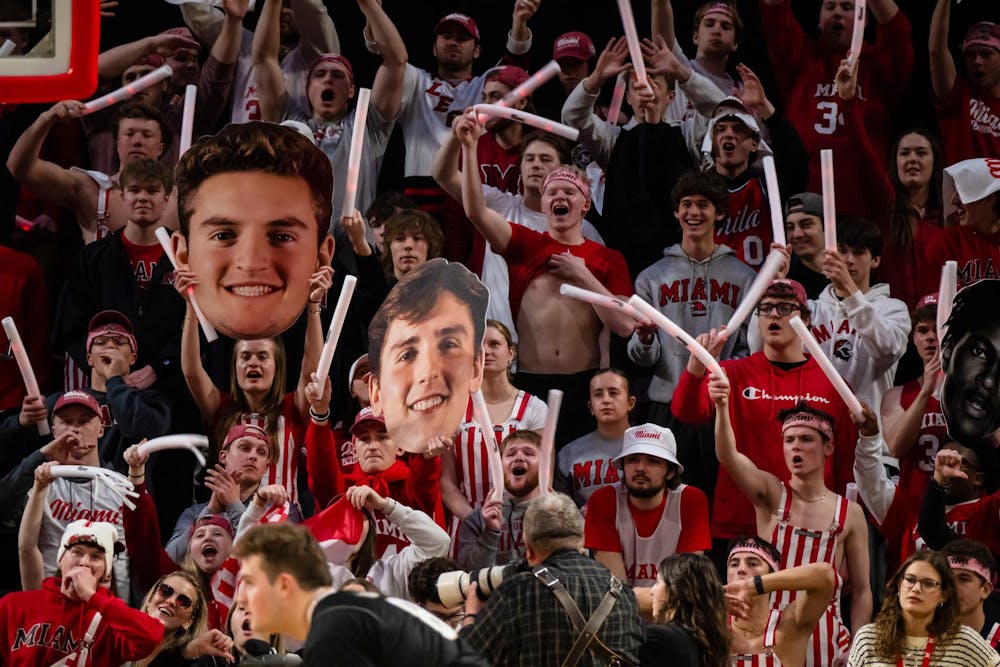
Miami University’s undefeated basketball teams have brought record-breaking crowds to Millett Hall this spring. These unprecedented crowds have also resulted in unprecedented waste, as concessions demands rise.
In response, physical facilities and dining services are working to accommodate demands while reducing food waste and promoting recycling.
Director of Sustainability Olivia Herron helped to collect and sort trash during a waste audit following the home game against the University of Massachusetts on Jan. 27. Herron said she hoped to understand what waste was being produced and how effectively it was being recycled. The crowd of over 9,000 fans generated 1,600 pounds of waste, with 404 pounds of that going toward recycling.
“It’s really fun that basketball is getting all of this very well earned, well deserved attention,” Herron said. “There was more waste than my office had seen at a basketball game before, but we knew that higher attendance would mean higher waste.”
Herron said fans were highly accurate when choosing which items to recycle, and that very little waste was incorrectly mixed in. To Herron, the amount of aluminum cans she was seeing in the trash, rather than the recycling, was the biggest problem. After they moved recyclable items – such as aluminum cans – from trash to recycling bins, diversion rates increased from 13% to 38%.
Sustainability engagement coordinator Alex Miller also took part in the waste audit and said she shared this concern.
“We were really, really shocked at the amount of cans and plastic bottles that were in the landfill, because for us, we [thought that was] recycling 101,” Miller said. “Those were the two things that we were like, ‘We’ve really got to do something here.’”
One strategy the Office of Sustainability will be implementing following the regular season are signs near trash and recycling bins encouraging patrons to recycle aluminum cans and plastic bottles. Herron said she hopes the hyper-specific nature of the signage will make this initiative more effective than other recycling signage in campus buildings that feature instructions for a larger amount of items.
Miller said concerns about food waste have also prompted the Office of Sustainability to have conversations with stakeholders around campus, including Dining Services, regarding how to divert potential food waste from unsold concessions.
“Food waste is horrible for these environmental things, but also, the social and financial impacts of it are not great,” Miller said. “. . . [We’re] just making sure that we’re doing what we can but not making anyone’s lives too difficult. It’s definitely spurred a lot of conversations, and I think a lot of great stuff will come out of it.”
One way food waste can be diverted is by sending items such as leftover popcorn or thawed pretzels to dining halls for students to eat following the games.
“This has been working well to minimize waste and maximize our resource surplus items at the end of a game that can be successfully integrated into our dining commons menu,” Geno Svec, senior director of dining services, said in an email to The Miami Student.
Enjoy what you're reading?
Signup for our newsletter
Svec also said concessions aims to reduce food waste at games by implementing a ‘final whistle’ discount, where patrons can purchase remaining stock 50% off near the end of the game.
“Our primary goal is to achieve near-zero waste by the conclusion of every event,” he said in the email. “This not only provides value to our fans but ensures we are operating as sustainably as possible.”
Herron said she is looking forward to using the information her office learned and the strategies they developed to reduce waste at sporting events going forward. She said new initiatives, such as signage, will be implemented following the spring season once Millett staff have more time on their hands to coordinate with the Office of Sustainability.
Read More

Oxford helps keep the Great Miami River clean
By Cameron Murray | 5 days agoOn Sep. 19, volunteers across southwestern Ohio and southeastern Indiana participated in the annual Clean Sweep of the Great Miami River Watershed event.
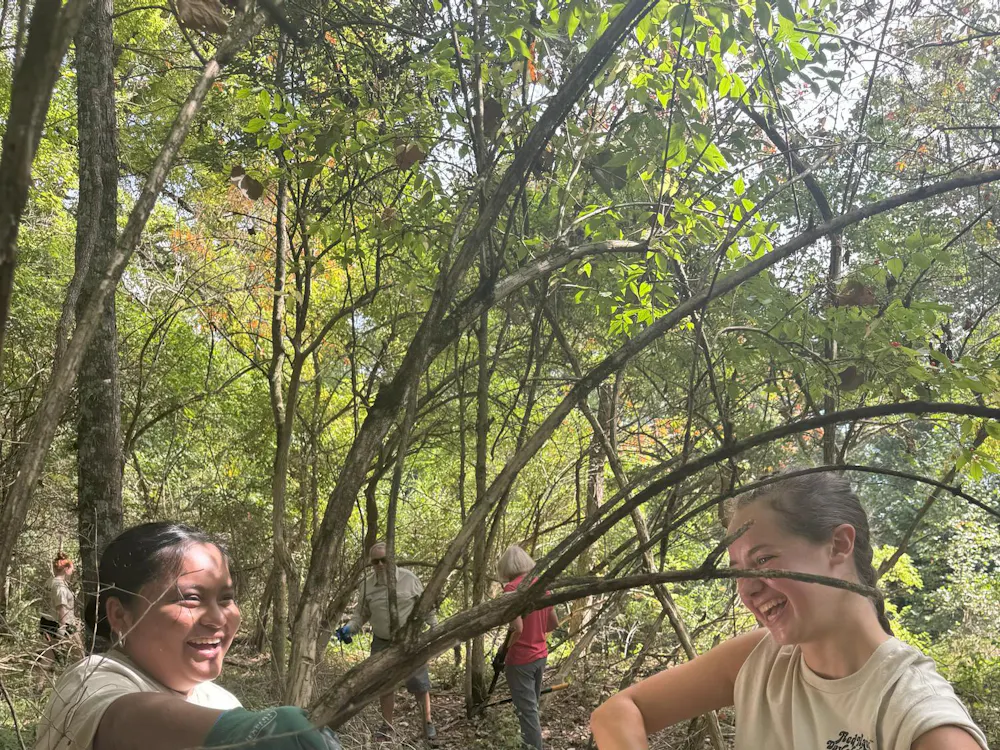
Following the trail: The caretakers of our natural areas
By Venezia McHenry | 5 days agoOne thousand acres of natural areas surround Miami University’s campus and contain miles of interconnected paved and dirt trails for students to use. A small natural areas team dedicates their time every week to ensure the trails are safe and enjoyable for everyone.

One man, one year, two hundred birds
By Cameron Murray | September 22, 2026At the beginning of the year, Harrison Shupe set a goal: to observe and identify 200 unique bird species in Ohio before Dec. 31. On Aug. 31, he found his 201st.