


The year is 1824.
A middle-aged Presbyterian minister and professor is inaugurated as Miami University's first academic president. Rev. Robert Hamilton Bishop serves the infant university as an intellectual and spiritual leader.
Flash-forward 185 years.
A Minnesota-native and professor of geography embarks upon his sixth semester as Miami's 21st president. President David Hodge serves the 200-year-old university as a managerial leader.
A lot has changed in two centuries.
Although Hodge may not live in a log cabin and he may not lead church services for students and faculty at Miami, he too is committed to moving the university forward in terms of student success. And although student success was a blank slate when Bishop held office, Bishop was committed to Miami's growth just the same.
"First and foremost our focus is on academic success but it's also on student growth," Hodge said. "Bishop got that from the beginning. I think he'd be pleased to see that after 200 years those are still the core values of Miami."
Bishop may have derived from the old world, literally 18th century Scotland, but he was known to swing more to the liberal side when it came to scripture instruction and student affairs outside the classroom.
Curtis Ellison, a Miami history professor who also teaches "History of Miami University," said Bishop was a liberal of his day.
"(Bishop) was willing to let students have discussions of their own ideas outside the classroom," Ellison said.
Enjoy what you're reading?
Signup for our newsletter
Such a concept was taboo at the time and in 1841, Bishop was eventually fired for his beliefs. Ellison said Bishop's two successors, presidents George Junkin and Erasmus MacMaster, followed a more rigid technique.
"Bishop's opponents, and the presidents who replaced him, believed a college president is more like a monarch," Ellison said. "They laid down the rules of discipline and behavior for students and faculty."
Bishop's lenient notions that students had the right to organize their own social organizations did not return to Miami until 1849 with the inauguration of President William Anderson, according to Miami's most recent history book to be published by the Ohio University Press, Miami University, 1809-2009: Bicentennial Perspectives.
Had Anderson not taken office, President Hodge may have never been able to apply his same appreciation for student life.
In 2008, Hodge attended 92 events at Lewis Place and met with more than 4,000 guests. Hodge spends 75 percent of his weekends in Oxford and attends sporting events and other student activities, he said.
And while he is committed to activities directly related to Miami 14 hours a day during the work week, Hodge still finds time to play on his intramural broomball team and go for a run every morning.
"It's not really a job," Hodge said. "It's a way of life."
The conditions of Miami may be utterly different between the Bishop and Hodge eras, but both presidents look at the success of their institution in the same light.
"In each of their days, both (Bishop and Hodge) have progressive views of student capabilities and student life as a role to Miami University," Ellison said. "Both are sympathetic to the student's role outside the classroom."
Read More
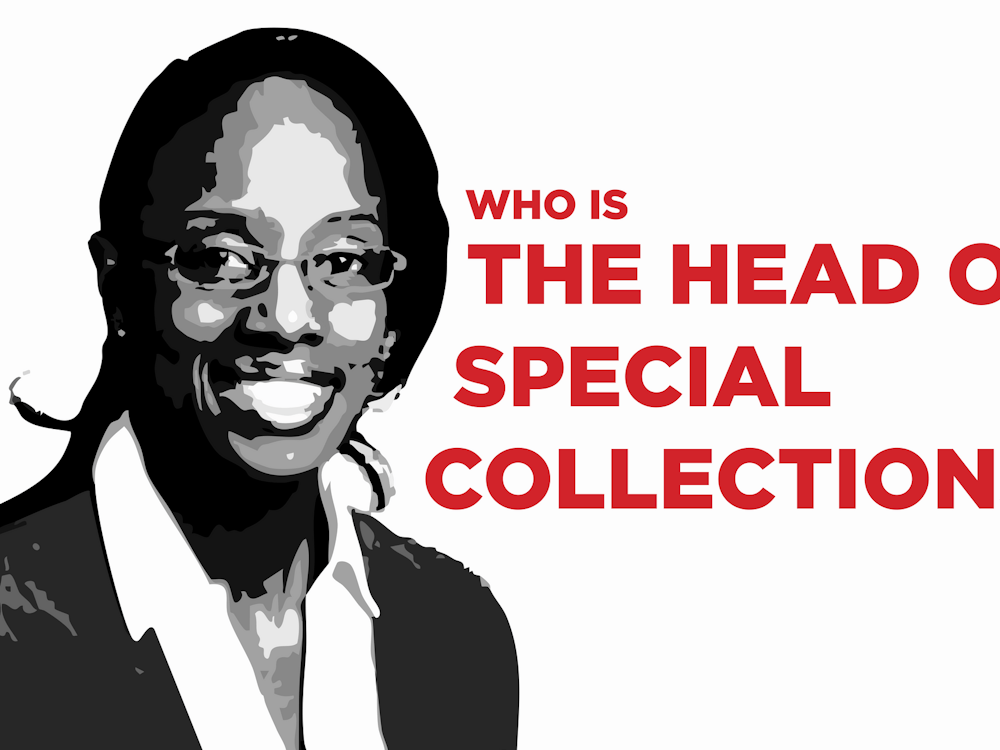
Who’s who at MU: Head of special collections
By Shannon Mahoney | March 6, 2026If you’ve ever wanted to learn more about Miami University’s past, research the history of Western College or find the first copy of The Miami Student, chances are you’ve ended up at the university archives, a collection of Miami’s 217-year-long history. Behind this complex collection, one woman is at the center of it all: Jacky Johnson, head of special collections and archives.
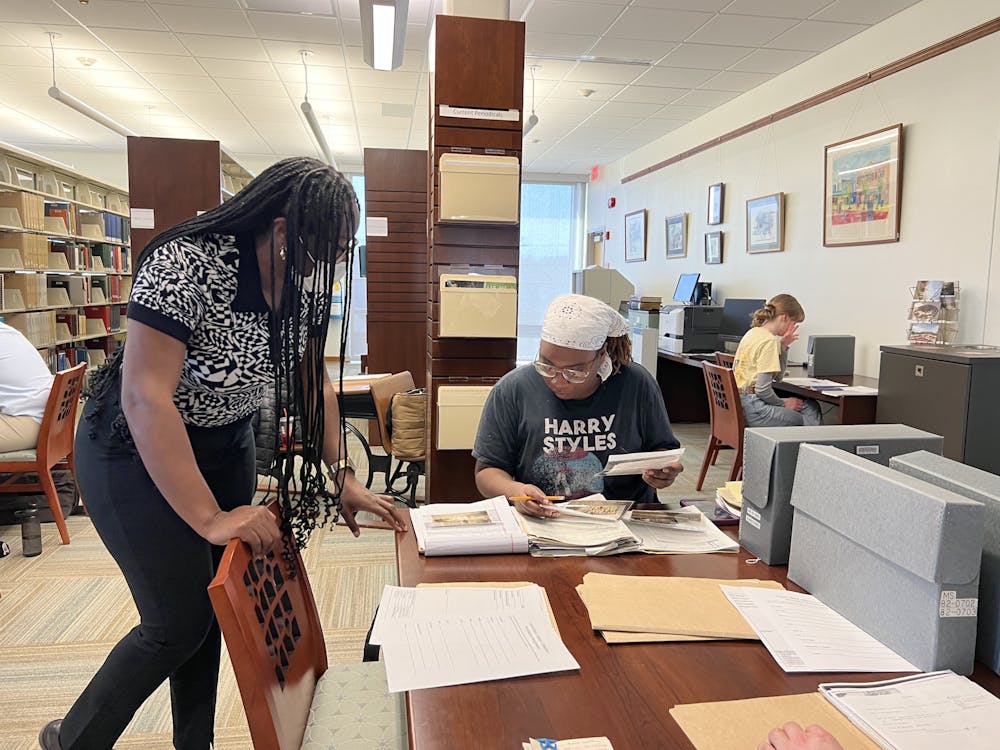
How one professor and her classes are preserving Oxford’s Black history
By Sean Scott | March 20, 2024Jazma Sutton, an assistant professor of history, teaches The Black Midwest (HST 350Q) and Black Women in America (HST 450D) classes. In both courses, she has students working with the Smith Library of Regional History and Miami’s archives to document and preserve Black history in Oxford.
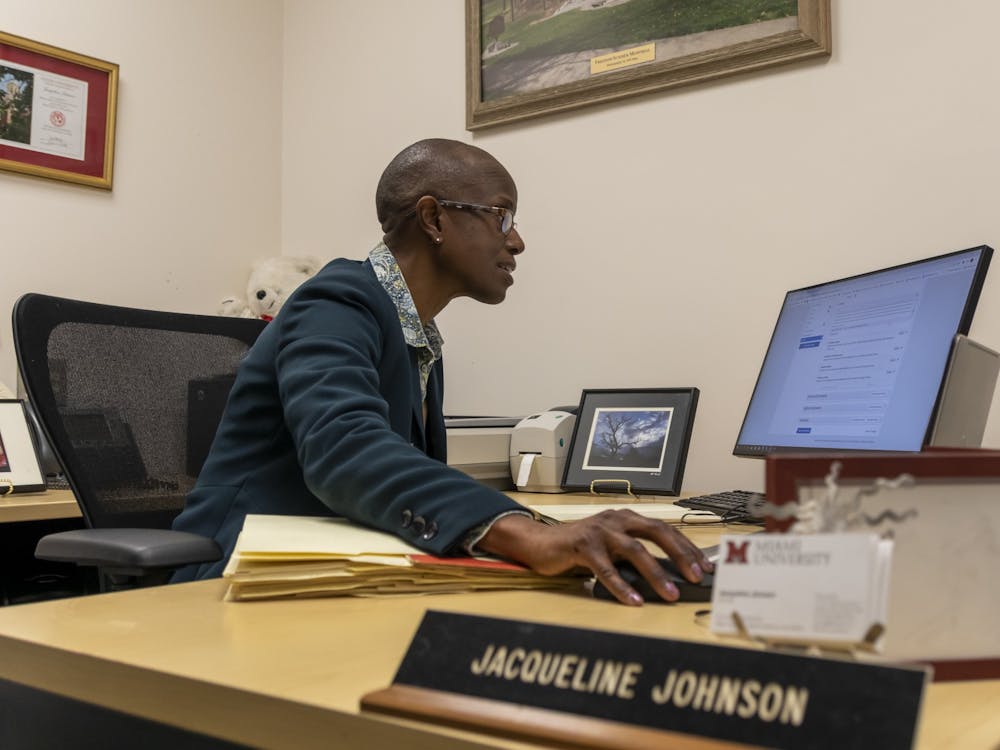
Miami faculty members recount Freedom Summer in new documentary
By Luke Macy | February 25, 2022After seven years of work, “Training for Freedom,” a documentary highlighting Oxford’s involvement in the Freedom Summer of 1964, premiered on PBS Western Reserve on Valentine’s Day.