
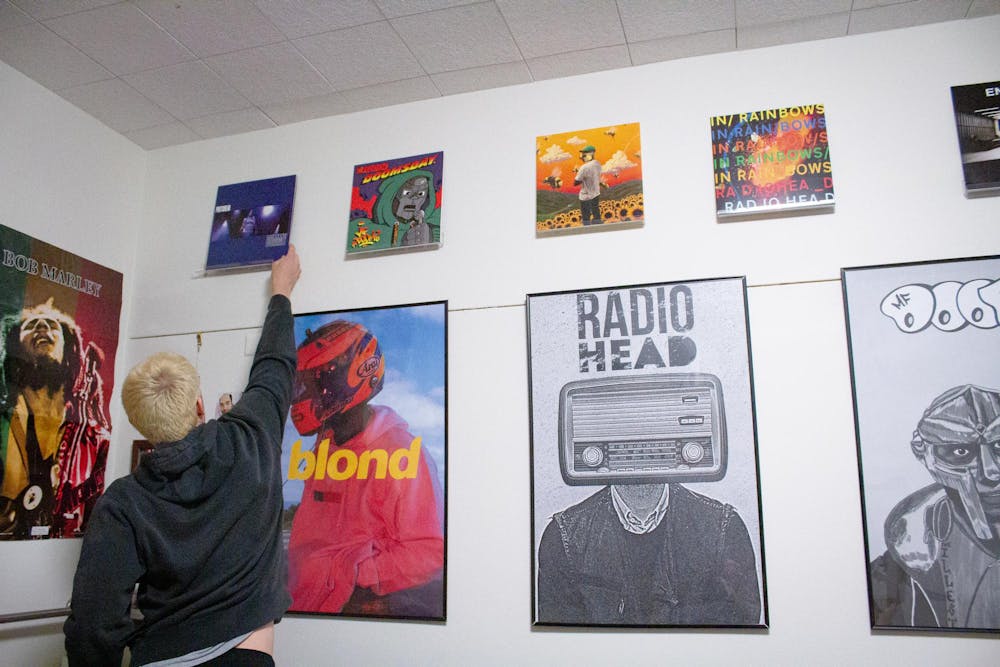
Recently, I’ve picked up the hobby of collecting physical media.
Not to say I’ve never done that: I am an avid hoarder of journals I’ll never use — they’re simply too pretty to ruin — letters from my little sister and the occasional polaroid picture whenever a friend has a camera.
But I’ve become intentional about it. I’ve gone to the thrift and spent hours sorting through piles of old CDs and records, scanning the aisle for anything that might catch my eye.
This all came about when I sat down to watch a movie with my boyfriend. Every title we named, we couldn’t find on Netflix, Hulu or any other mainstream streaming service. Longingly, I remembered the days when all you had to do was find the DVD in the ottoman storage and pop it in the DVD player.
Then, the only limit was what you owned or could rent from Blockbuster.
Nowadays, it feels as if you have to be up to date on all the current news to even have an inkling as to what streaming service might have your show in their collection on any given day. The same goes for music artists, who sign deals with specific companies.
One of the more notable of these names is Garth Brooks. Fans hoping to listen to his hit “Friends in Low Places” can only do so if they have a subscription to Amazon Music. Since 2016, Brooks has exclusively worked with Amazon, publishing his entire discography, as well as streaming an exclusive dive-bar concert.
While this seemingly worked out in Brooks’ favor, allowing him to retain his stance on album integrity, it created an annoying buffer for listeners.
“I think it curtails his audience. Keeps him from being relevant. Especially to a younger audience,” Reddit user ragtagspoon8855 said. Haven’t listened to him regularly in years, solely because he’s not on the streaming platform of my choice.”
Beyond completely limiting audiences based on their platform, the world of digital music is rife with censorship.
One of the harshest and most visible acts of censorship comes through Spotify. In Russia, new restrictions have completely changed the way people listen to music. New laws state that criminal liability will apply to promoting drugs online. In compliance, Spotify has begun to cut or censor drug-related words.
With a CD or record, there is no way to have something censored after it’s produced. Once a CD is burned, the data layer is read-only, meaning content can be viewed or listened to, but there is no way to edit any part of it.
Enjoy what you're reading?
Signup for our newsletter
Movies can also be censored or changed, often depending on where they’re being played. On live TV, it is common practice to cut out nudity, excessive violence or scenes that are deemed unnecessary to the plot, to keep the movie within the allotted timeframe without cutting out ad time. One of the most well-known examples was when the Canadian Broadcasting Corporation (CBC) cut Donald Trump’s cameo from the 1992 film “Home Alone 2: Lost in New York.”
This caused controversy when it resurfaced in 2019, with many of his supporters claiming that it was for political reasons. In actuality, it was cut due to irrelevance to the plot of the movie, and it first occurred in 2014, two years before Trump entered office.
The act of consuming physical media opens the door for more intentional listening and connections with your content. If you’re listening to an album, you have set time with a single artist or band, free from ads or “similar songs” interrupting you midway.
It also provides rewards for people who take the time to collect physical media, often through hidden tracks or ambiance, such as applause or water running, looped in the inner groove.
As of late, I’ve been getting into Deftones through Spotify and have been listening to their entire discography — or so I thought.
Roughly 26 minutes after the last named track on their album “Around the Fur” ends, there is a hidden song called “Damone,” which is not featured or named on Spotify.
The band Queens of the Stone Age also has extra songs, though they are only featured on the deluxe version of their albums. I listened to the album “Rated R” at least 20 times before realizing there were more songs hidden under piles of EPs and singles in their discography.
Streaming might offer convenience, but physical media offers a promise: that your favorite art will remain exactly how the artist intended, tucked away safely in your collection, rather than at the mercy of a licensing deal or censorship law.
Read More

Classic books not taught in English class that you should actually read
By Molly Fahy | YesterdayIf there’s one thing you need to know about me, it’s that I love classic books. “Pride and Prejudice,” “Wuthering Heights,” you name it, I’ve read it.
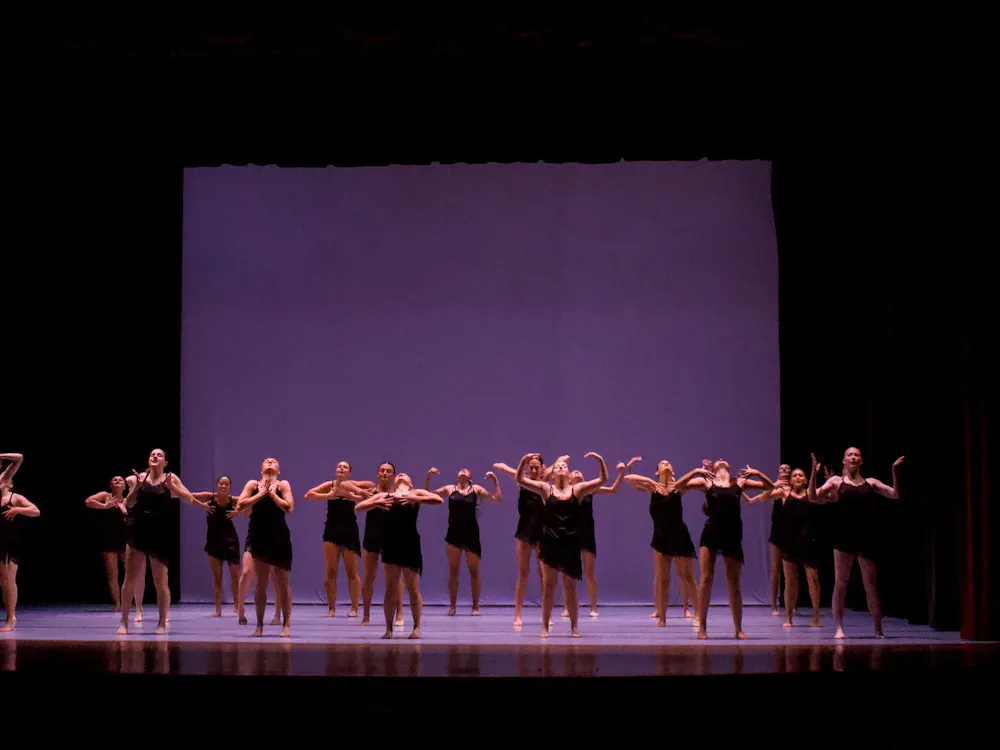
V2K: 25 years of Vision Dance Company
By Layla Norris | 2 days agoMiami University’s Vision Dance Company (VDC) is a student-led organization on campus bringing dancers together to choreograph and perform. Established in 2001, they are “Miami’s most versatile dance organization.”On April 10 and 11, they performed their 2026 show, V2K — their own take on Y2K — celebrating the organization’s 25th anniversary.

A look inside Bodega
By Hailey Craver | 3 days agoSince 1989, Bodega Delicatessen has been a local favorite deli in Oxford. They are known for their wide array of soups, sandwiches and pasta salads.