
When you hear the word “America,” what comes to mind? The Statue of Liberty, Hollywood, maybe apple pie? How about “Europe?” Perhaps the Eiffel Tower, the Colosseum, streetside cafes and canals?
Now, what do you think when you hear the words “Middle East?” For many of us, the answer might be sand, religion and, principally, war.
I don’t blame you if that’s what immediately comes to mind. I won’t deny it; these harrowing images reflect 100% true events happening in the region right now. But why is this the case, and why is the Arab world’s calculated destruction justified by the myth that it’s nothing but a backwards, uncivilized part of the world?
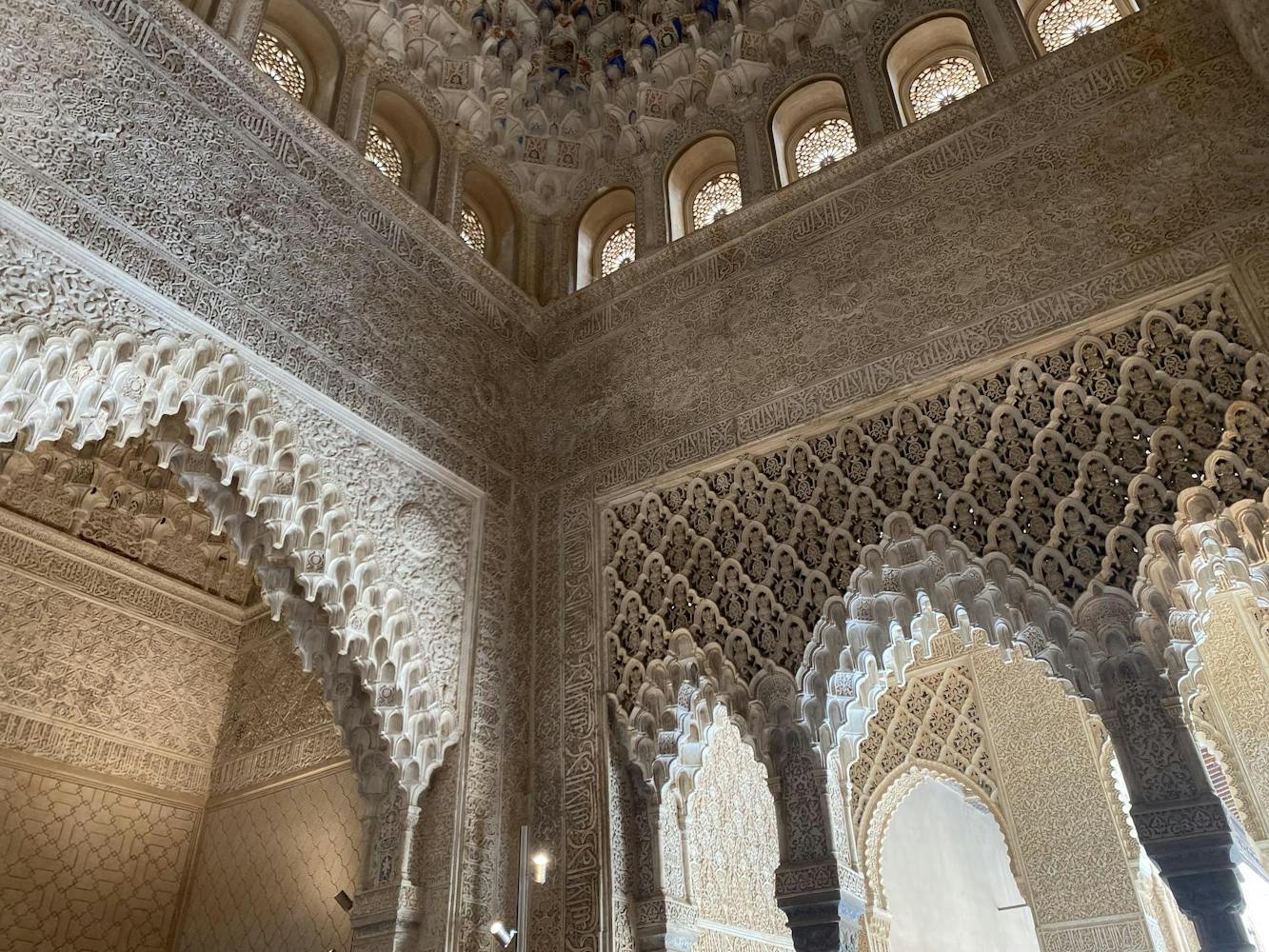
At one point in history, the Middle East was the world’s intellectual and cultural center. Without the scientific contributions of medieval Islamic dynasties, primarily during the Abbasid Caliphate, we wouldn’t enjoy the modern numerical system, literary knowledge or architectural advancements that exist today.
The Middle East’s gradual economic and political decline didn’t occur in full force until the 20th century, with the collapse of the Ottoman Empire and the succeeding period of European colonization. The creation of arbitrary and fragmented geopolitical borders by imperial powers — particularly the creation of the modern state of Israel — is the root cause of most conflicts plaguing the Middle East today. A century later, the West hasn’t loosened its imperialist grip over the region; it merely flexes it in subtler ways, like constructing settler colonies in dwindling Palestinian territory and violently deposing political leaders in the name of “democracy.”
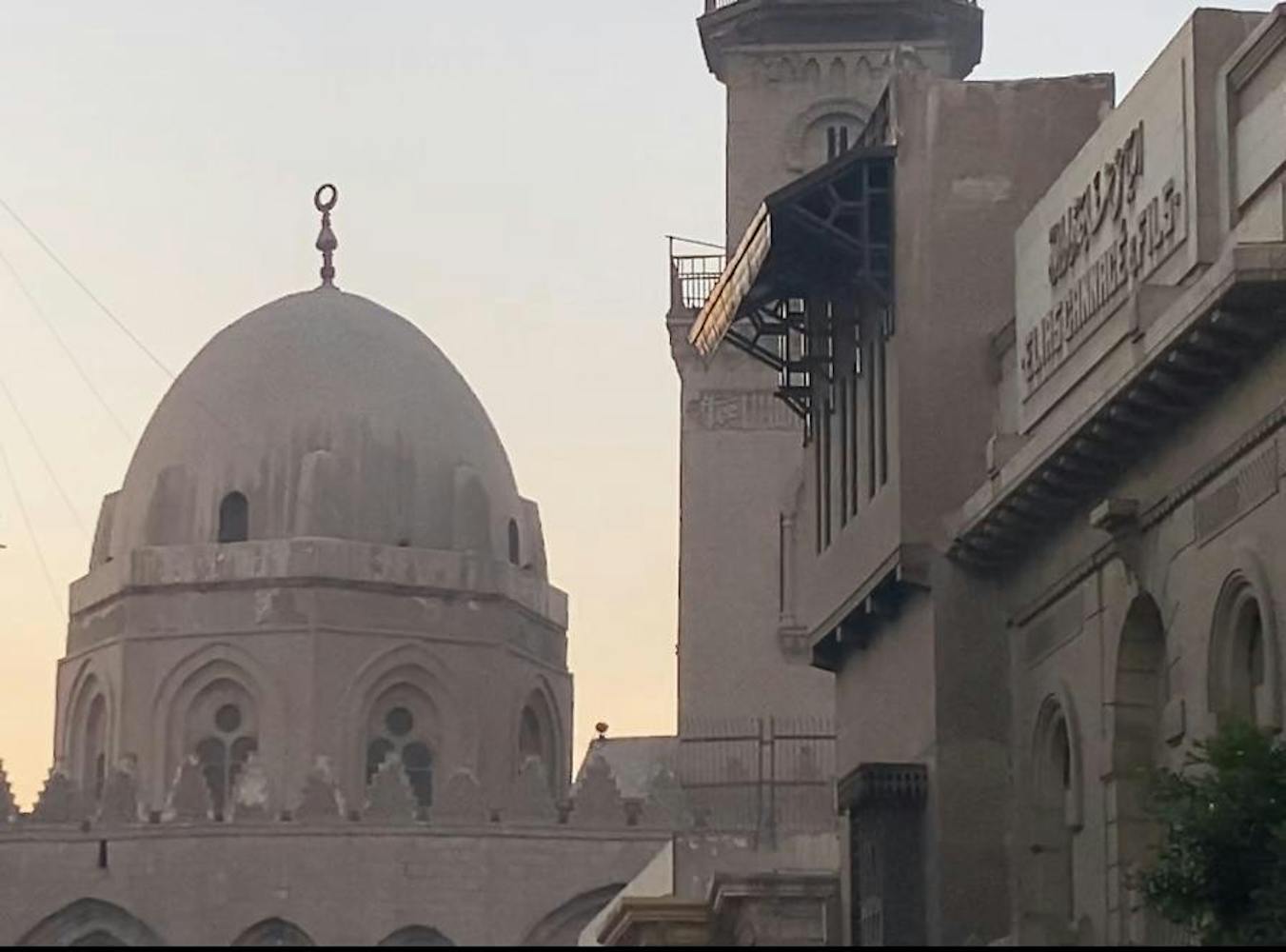
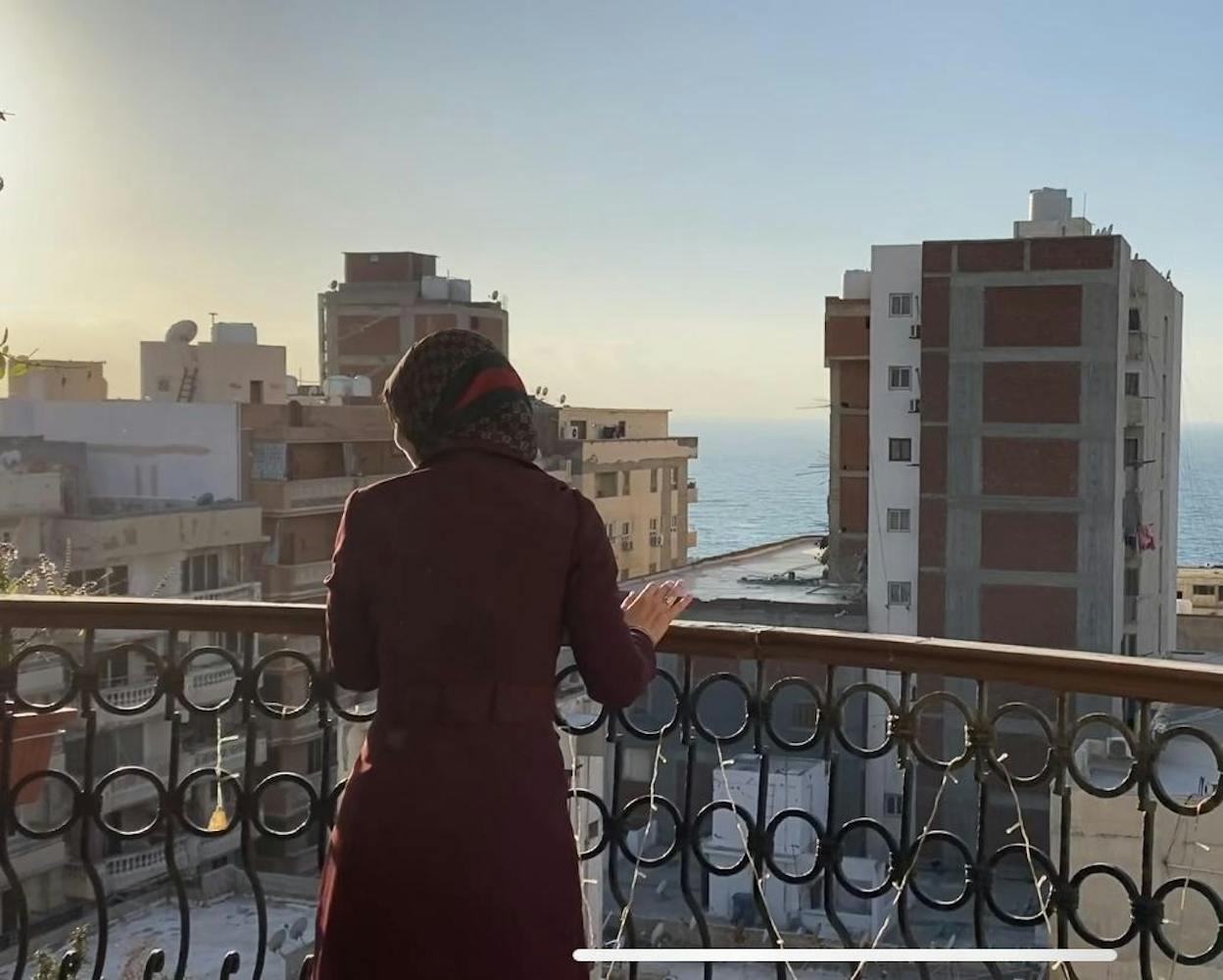
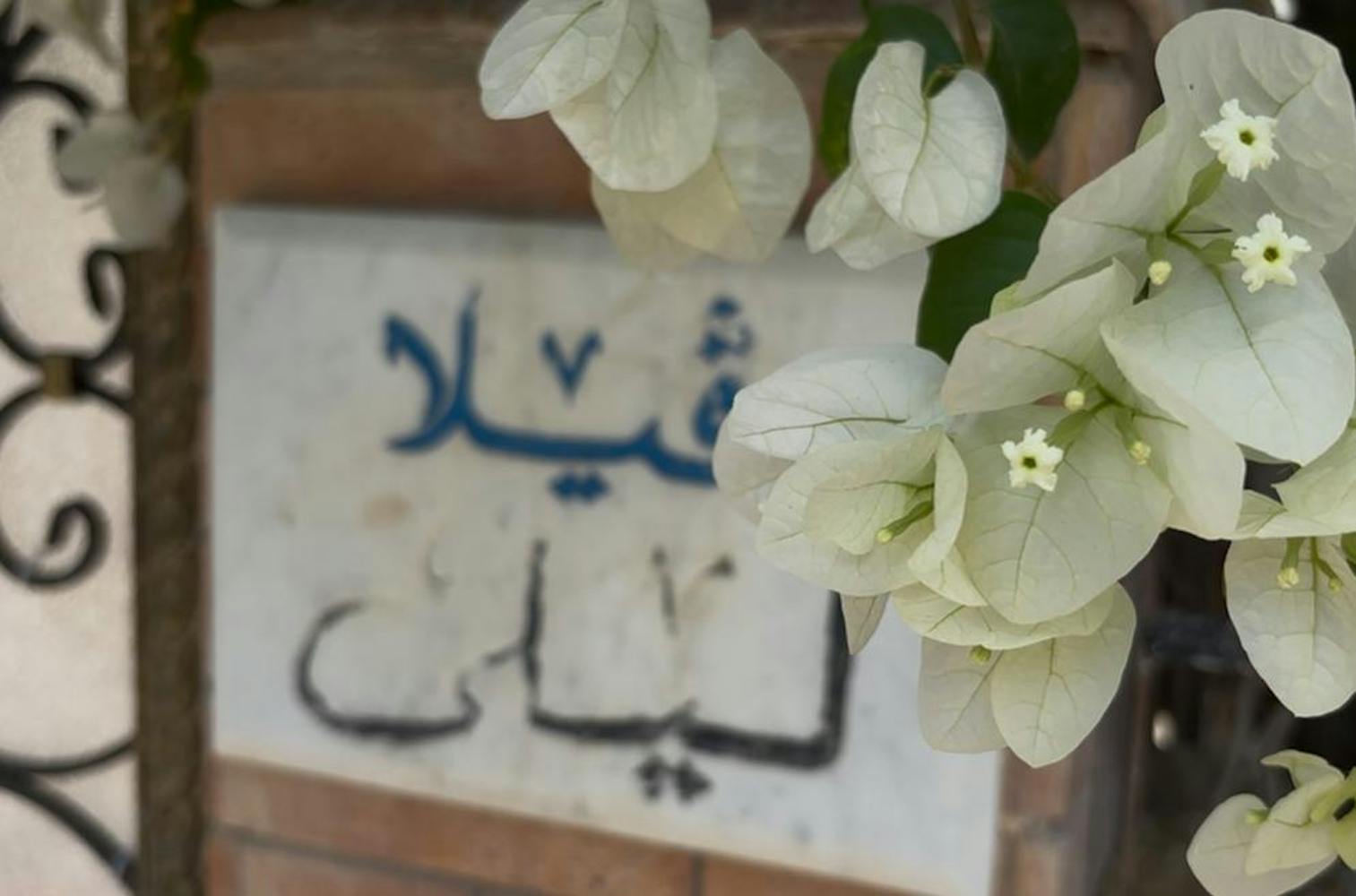
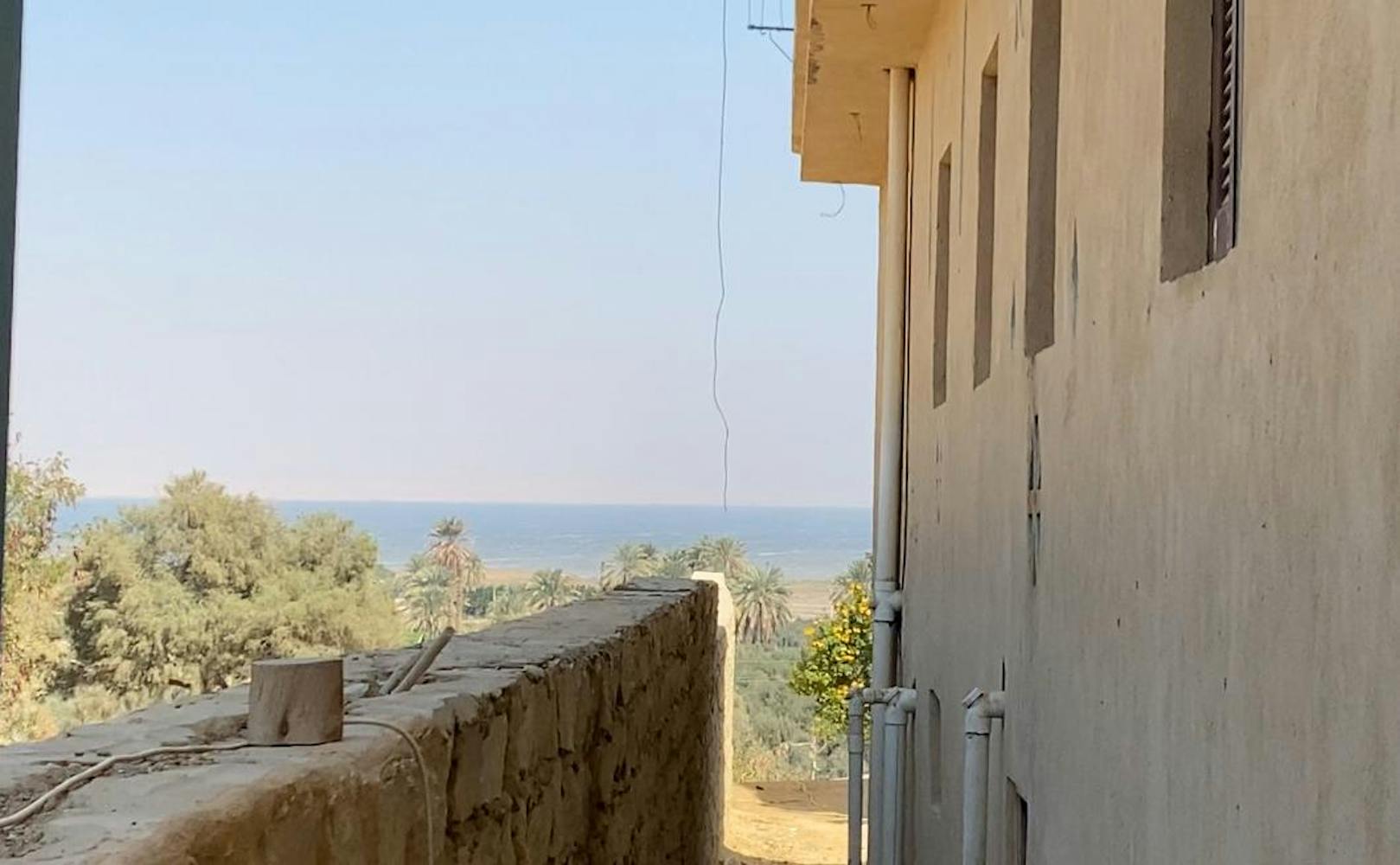
But when I return to my homeland of Egypt, I see more than just sand, religion and war. I see crystal-blue stretches of the Mediterranean, millennia of history in every brick, slow desert sunsets from my teta’s terrace and hear the sounds of raucous laughter, family gossip and Amr Diab from passing car stereos.
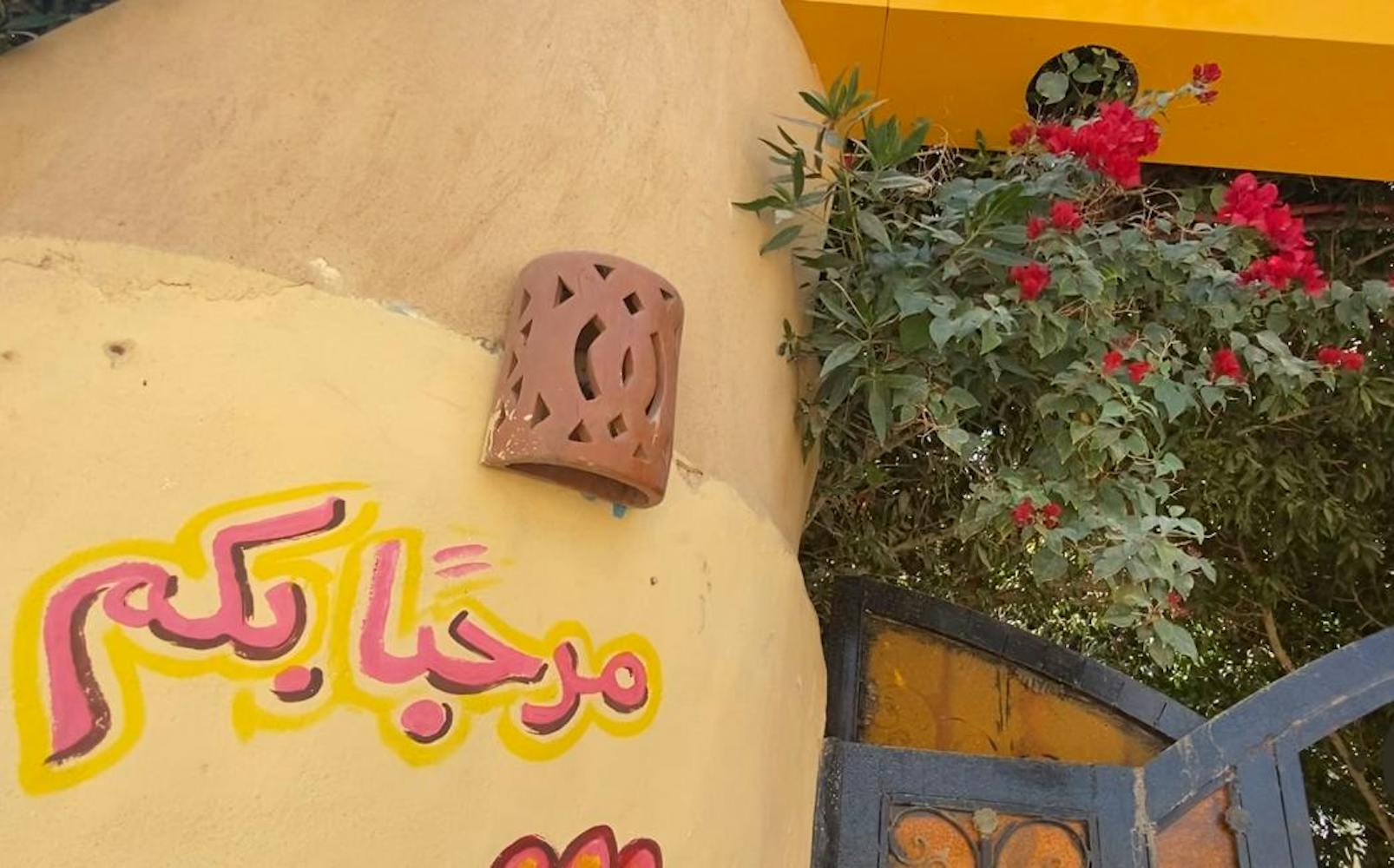
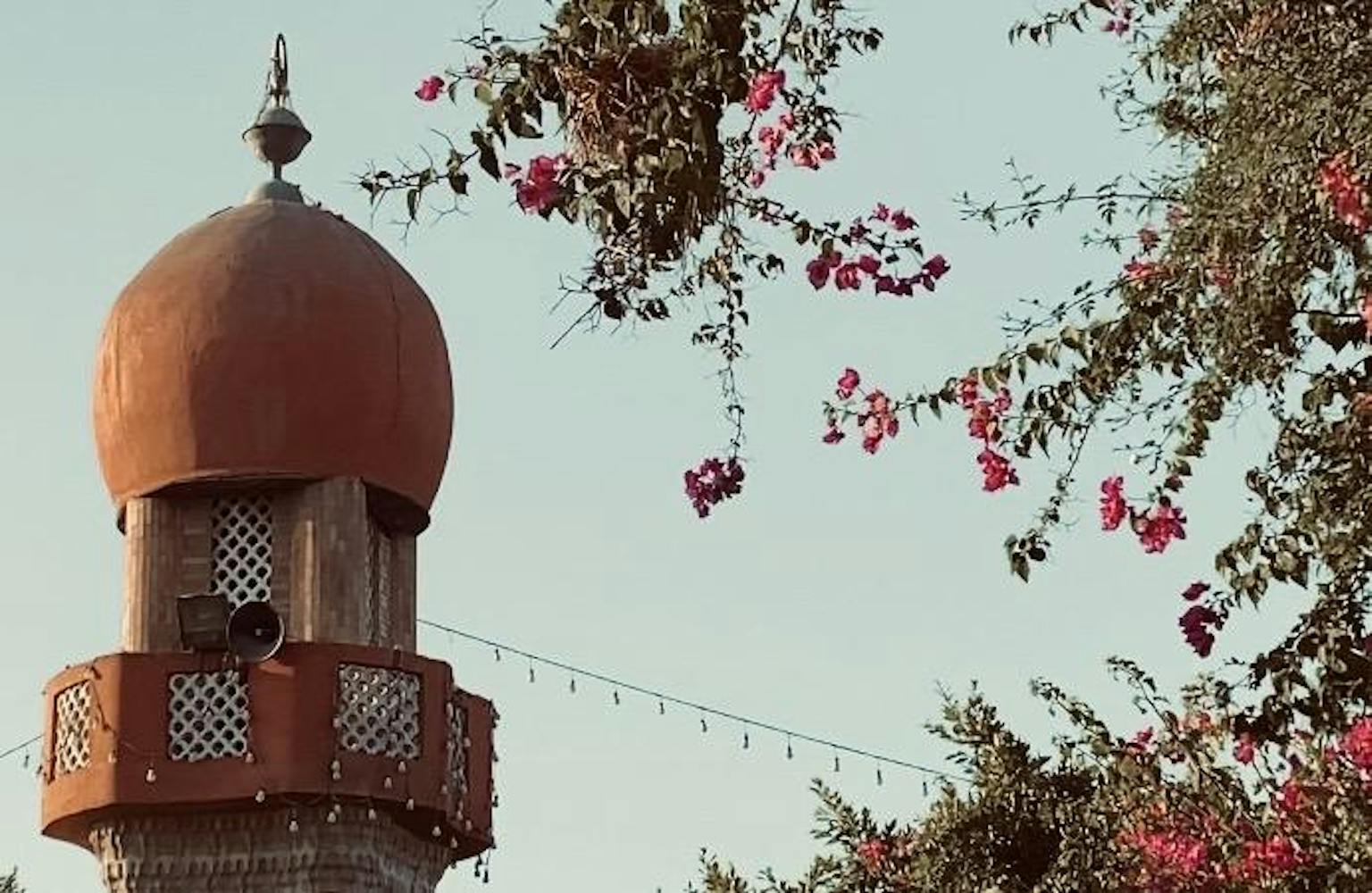
Granted, I have the privilege of originating from an Arab country void of immediate violent conflict (though, unfortunately, with significant economic and democratic crises of its own). But none of these beautiful sights are unique to Egypt. Even through such unspeakable turmoil, Arab culture continues to shine richly above the rubble.
Take, for instance, the hundreds of Palestinian muslims who prayed in front of Al-Aqsa Mosque this Eid, despite its closure by the Israeli government. How incredible is it to believe in something so firmly that your faith is stronger than stun grenades and police batons? To have one believer pray under such circumstances is a miracle; to have hundreds pray is simply a testament to Arab culture.
When I attended a Saint Levant concert in 2024, only a few weeks after the fall of the Assad regime, the singer concluded the night by proudly waving the new Syrian flag. The crowd immediately exploded in cheers and dancing and zaghrouta, a traditional Arab call to celebration. I’ll never forget it — to think that decades of unspeakable civil war and carnage could someday give way to a moment of such pure joy.
On April 7, President Donald Trump posted on the right-wing platform Truth Social, “A whole civilization will die tonight, never to be brought back again,” in reference to the state of Iran. This quote, above all others, highlights the dark truth lurking behind any flimsy veneer of democracy or security.
Military intervention is not the solution to Iranian autocracy. It will only incentivize Iran to retaliate with greater force, further destabilizing the already vulnerable region. The Trump administration clearly does not value Iran, the Middle East or the millions of innocent people living there. It’s merely an inconvenience — an uncivilized stretch of sand that can be demolished at any moment for personal gain.
The true toll of this senseless war isn’t inflated gas prices. It’s the deliberate, calculated destruction of thousands of years of precious history, culture and people. Unfortunately, Trump’s actions aren’t shocking. From former President Joe Biden’s military support of Israel to George Bush’s “War on Terror,” the U.S. has a long history of violent involvement in the region.
Enjoy what you're reading?
Signup for our newsletter
I consider the current state of the Middle East to be the greatest modern tragedy in the world. So much life and beauty lost, and for what?
If anyone reading this can somehow still support the U.S. and Israel’s actions, I can only urge you to do one thing: Visit the Middle East.
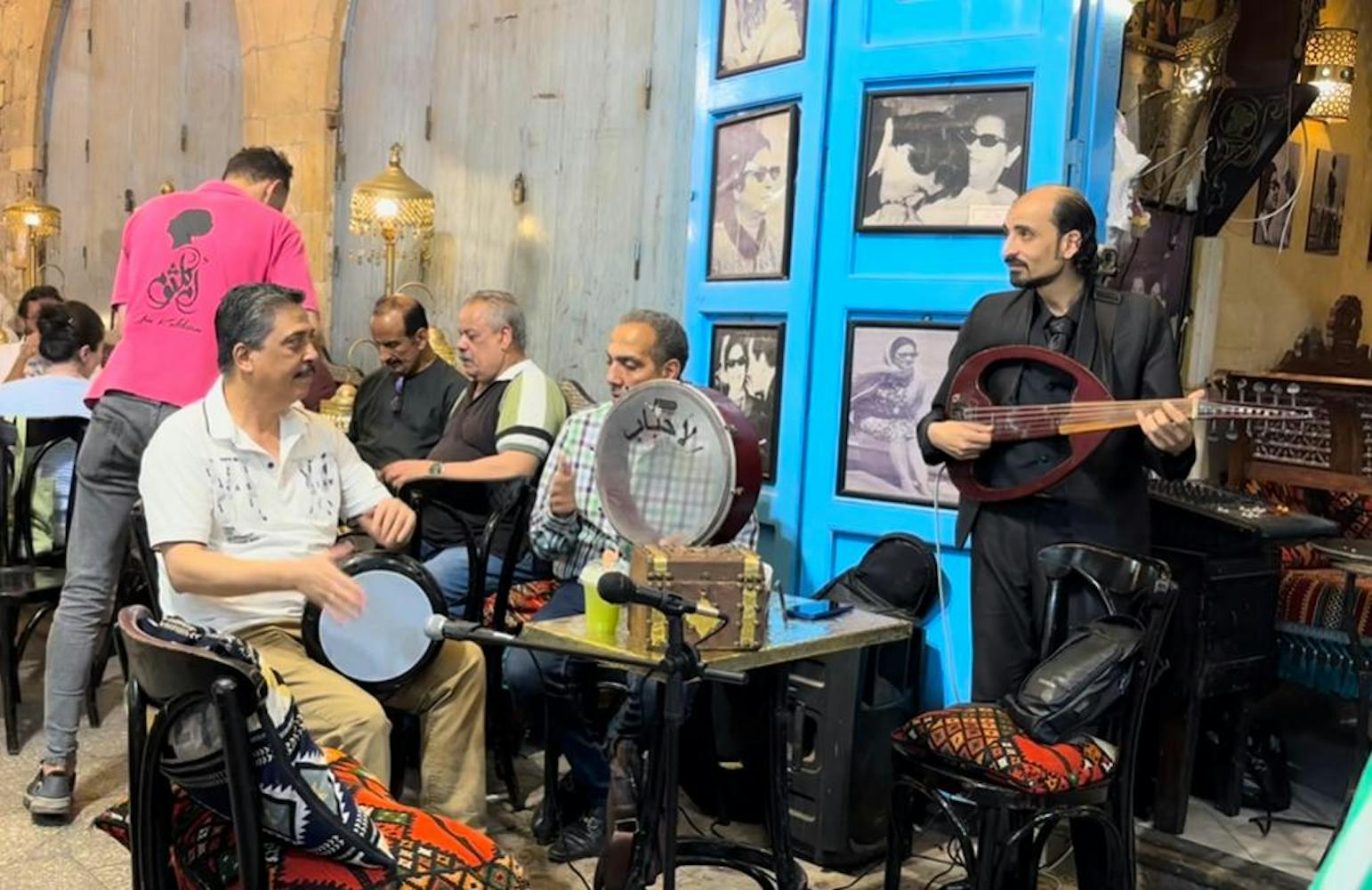
Eat a ripe fig straight off the branch. Sit in a cafe and listen to a live rendition of Fairuz’s Nassam Alayna el Hawa. Have a local lovingly open their doors for you and pour you a cup of hot tea. Dance completely sober at an Arab wedding. Thread bakhoor through your hair.
Do all this, then watch it crumble under American artillery. Is this what you’d call democracy?
Karma Abboud is a sophomore studying international studies and professional writing, as well as Spanish and Arabic. She is an Opinion writer for The Miami Student, a mentor in the English Language Program and president of Miami’s Arab Student Association.
Read More

Meet the Columnist: Karma Abboud
By Karma Abboud | 4 days ago"While I still love creative writing, creating opinion articles for The Miami Student is not just a hobby or coping mechanism: It allows me to share my thoughts confidently with the Miami community."

Recommendations from a reminiscing junior on having roommates
By Jada Rogers | 5 days ago"I made myself miserable as a first-year student because I refused to make other long-term friends, swayed by my own misconception that my roommate was the only person I needed. Humans crave companionship, so please go find your people."

Rejecting minimalism: It’s okay to hold on to sentimental things
By Layla Norris | 6 days ago"Yet a huge difference lies between maximalism and messiness. Maximalism is about intentional clutter: Filling a space with colors, patterns and memories cultivates a personalized place of belonging."