
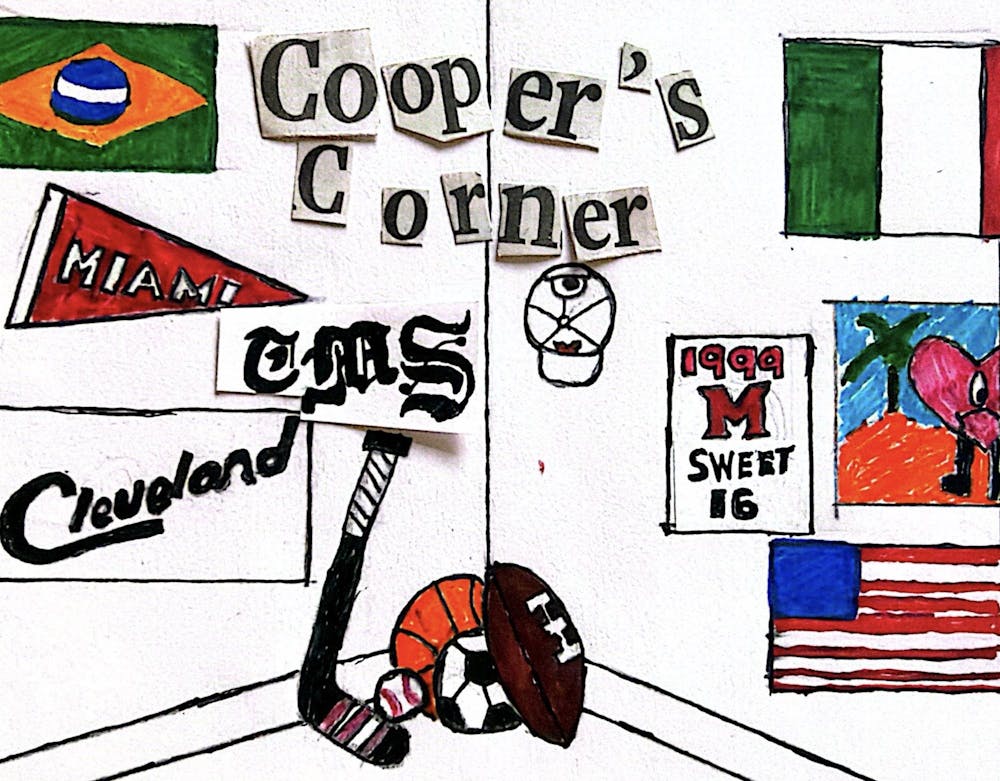
My first memories of the World Cup are from 2010. I was 3 years old falling in love with the magic of the Brazilian national team. Unfortunately, I was born at the end of its golden era, yet even the decaying visages of once great glory captured my attention.
Every four years, along with my father and brother, the yellow jerseys of Brazil reconquer my imagination as we hold out hope that they will hoist the sporting world’s greatest prize.
Across the globe, billions of fans share this dream; so many come up empty, and a select few experience it. That is what makes the World Cup so special: The globe is united by hope and the shared human experience.
Every nation on earth slows down to enjoy a moment of cultural celebration. While nationalism is at an all-time high, events like the World Cup are an opportunity to share cultures rather than diminish them.
This summer, I was given my first opportunity to watch a Brazil game in person in Houston. I could not have been more excited for the opportunity to watch the team I had devoted so much of my attention to, in person.
Before the World Cup, sentiment had been circulating among non-Americans that the 2026 tournament would be much more corporatized than years prior. There was certainly an influx of corporate presence, advertising breaks mid-match, a sponsored halftime show and the leering presence of advertisements around the benches.
Despite the fears, fans in attendance refused to have the soul and enthusiasm sucked out by corporate interference.
My experience started at a hotel in downtown Houston. Hundreds of Brazil fans surrounded the entrance for over three hours. The sound of drums and chanting throughout the mass of people was simply overwhelming. The reason for standing in the hot Texas sun? The Brazil national team was arriving at the hotel.
Before a ball had been kicked, fans were already rife with excitement. The crowd’s cheering when the players exited the bus was louder than most sporting events I had attended, let alone any welcome greeting.
The players responded to the fans with enthusiasm. Players signed autographs, hyped up the crowd and interacted with media members in an open space.
All throughout the Houston area, bars and restaurants bought into the tournament by celebrating with flags and banners. The highlight of the Houston celebration was the FIFA Fan Fest. Fans donning the colors of all nations in the tournament were in attendance.
It was a celebration of the beauty of soccer as a global religion. In a moment where cultural pride runs high, there was a shared understanding that this is a game for everyone.
Enjoy what you're reading?
Signup for our newsletter
Brazil’s matchup for this year’s round was Japan. Both fanbases are internationally regarded as some of the best in the world. The moment I arrived at the stadium, it was clear that everyone was eager for kickoff.
All throughout the expanse of the NRG Park, the stadium complex hosting games in Houston, Brazil fans sang with enthusiasm, the Japanese fans sharing equal excitement. Interestingly enough, both fan bases seemed to be excited to interact with each other.
Standing in line at the FIFA store, a group of friendly, Japanese fans were eager to talk about the upcoming game, sharing in the moment. It was incredible to see how the fans came together to enjoy the festivities, something that does not happen in American sports.
After having experienced Brazilian fans at the hotel and fan fest events, I was able to get a taste of Japanese fan culture as our tickets were accidentally in their section. The fans were incredibly respectful of our situation. They did not shout abuse at us as many fanbases would. They cheered for their team and sang the whole game. They were truly dedicated to their country.
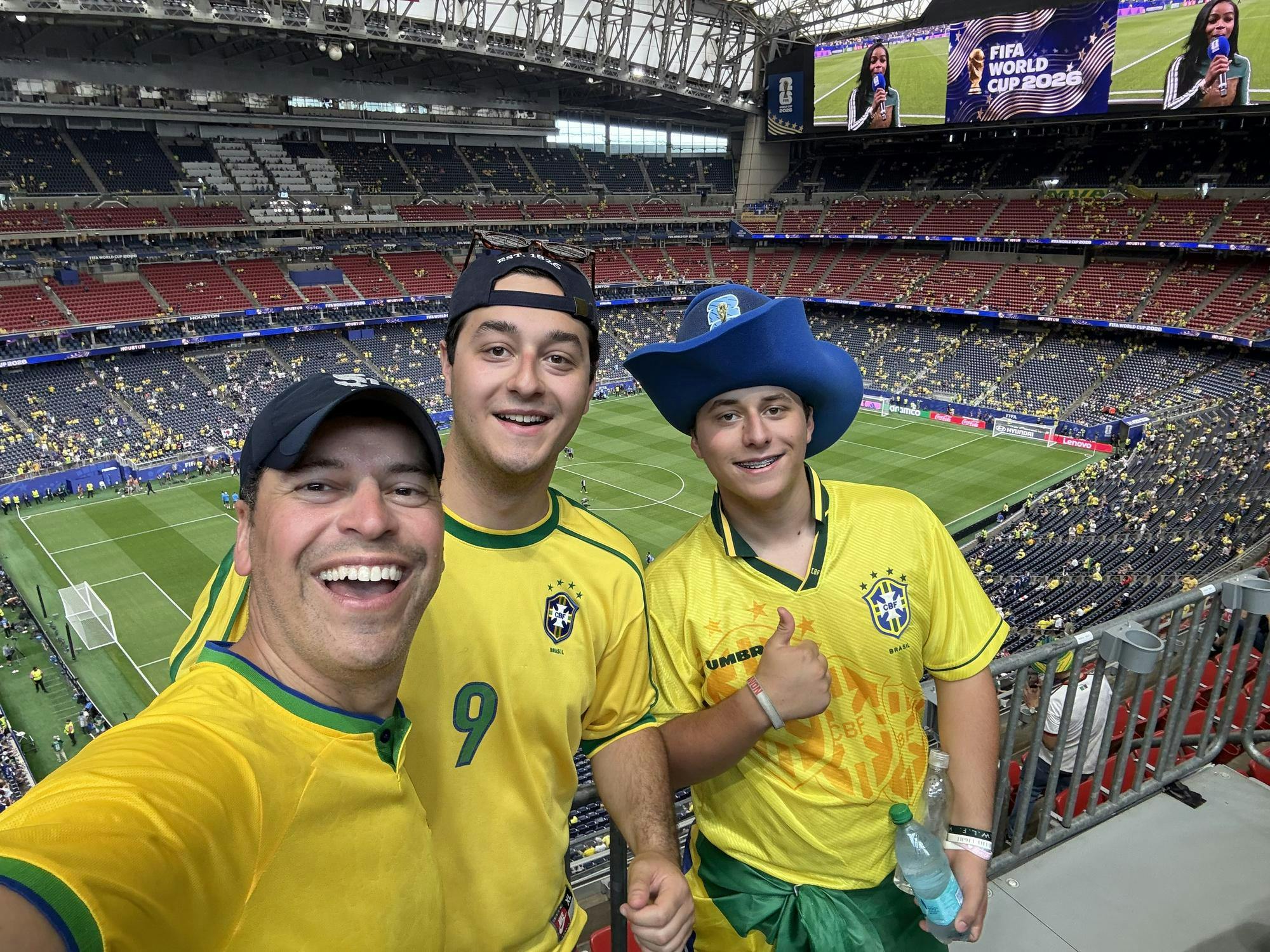
The game was nothing short of incredible. Japan took an early one-goal lead into halftime. Brazil tied the game in the second half, before a late, extra-time winner. It was an incredible end to an instant classic.
The World Cup is always an incredible sporting spectacle. Historic and memorable moments from any of the tournament’s iterations will always be present. The true takeaway from the World Cup is the unity and interconnectedness it highlights.
As geopolitical tensions rise, soccer is there to remind us that we are all humans. It is a connection that no amount of corporate or governmental interference can ever eliminate.
Someone from Cape Verde could be walking down the streets of Korea, not understanding a word of the language and celebrate a goal with equal passion. If there is one thing to take away, no matter where you are or what team you cheer for, we humans are a lot more similar than our governments would like to admit.
The next time you get the opportunity to participate in a new cultural practice or the chance to visit another country, take the opportunity to learn.
Cooper Meneghetti is the Assistant Sports Editor and a junior Journalism Major. He is also a contributor on RedHawk Radio on sport broadcasts. He will also be the in-game host for Miami Athletics events this season.
Read More


Panthers rout RedHawks in McComb’s debut
By Cooper Meneghetti | YesterdayThe Miami University (0-1) football team traveled to the banks of the three rivers to face the University of Pittsburgh Panthers (1-0) at Acrisure Stadium.

Women’s volleyball opens season with winning record and a fiery duo at Bearkat Invitational
By Graham Young | 2 days agoThe Miami women’s volleyball team (2-1) traveled to Huntsville, Texas to open its season with the Bearkat Invitational Aug. 28-29.