
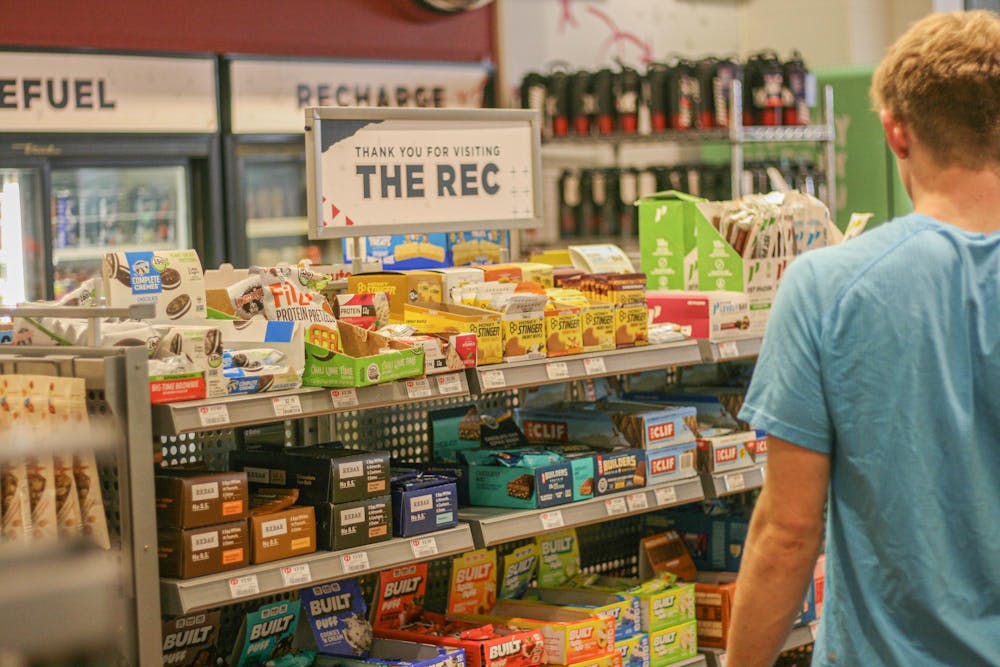
As someone with a passing interest in fitness, my algorithm is pure psychological warfare. When I open Instagram, I am hit by a deluge of videos, each with a different opinion on what I should be doing with my body (with not a single shred of scientific evidence to back up their claims).
One post implores me to do pilates to access my “feminine energy.” The next urges me to stop putting fruit in my smoothies — the simple carbohydrates will spike my blood sugar, leading to weight gain. Another showcases a “supplement routine” that promises to fix my problems with just seven gummy vitamins every morning.
I wouldn’t be surprised to find someone online peddling old-timey medicine and saying that unbalanced humors are the reason I’m bloated: “Follow these three simple tricks to reduce your yellow bile and get a snatched waist!”
Sprinkled between these posts are advertisements arguing that taking a weight loss supplement is self-care — after all, isn’t it time I do something nice for myself? I see so many accounts on social media selling dietary products to their followers, from debloating vitamins to greens powders. The messages that come across my feed all seem to say the same thing: What could be better than getting the body you’ve always dreamed of?
This focus on health, especially as it relates to diet, is common among college students. In January, Chartwells Higher Education released its annual Campus Dining Index, a survey of university students’ dining preferences. This year, they found that an interest in high-protein foods was the number one priority for college students, with more than a quarter of students ranking it as their main dietary concern. Students ranked dietary impacts on athletic performance as their second-highest priority, and desires for “clean eating” and minimally processed food options increased by 40% from last year.
This demand is reflected by market trends. Yahoo Finance projects that the dietary supplement market will double in value by 2033. The American Osteopathic Association estimates that approximately 86% of Americans take supplements or vitamins. Of that population, only a quarter had recieved a test result indicating a nutritional deficiency.
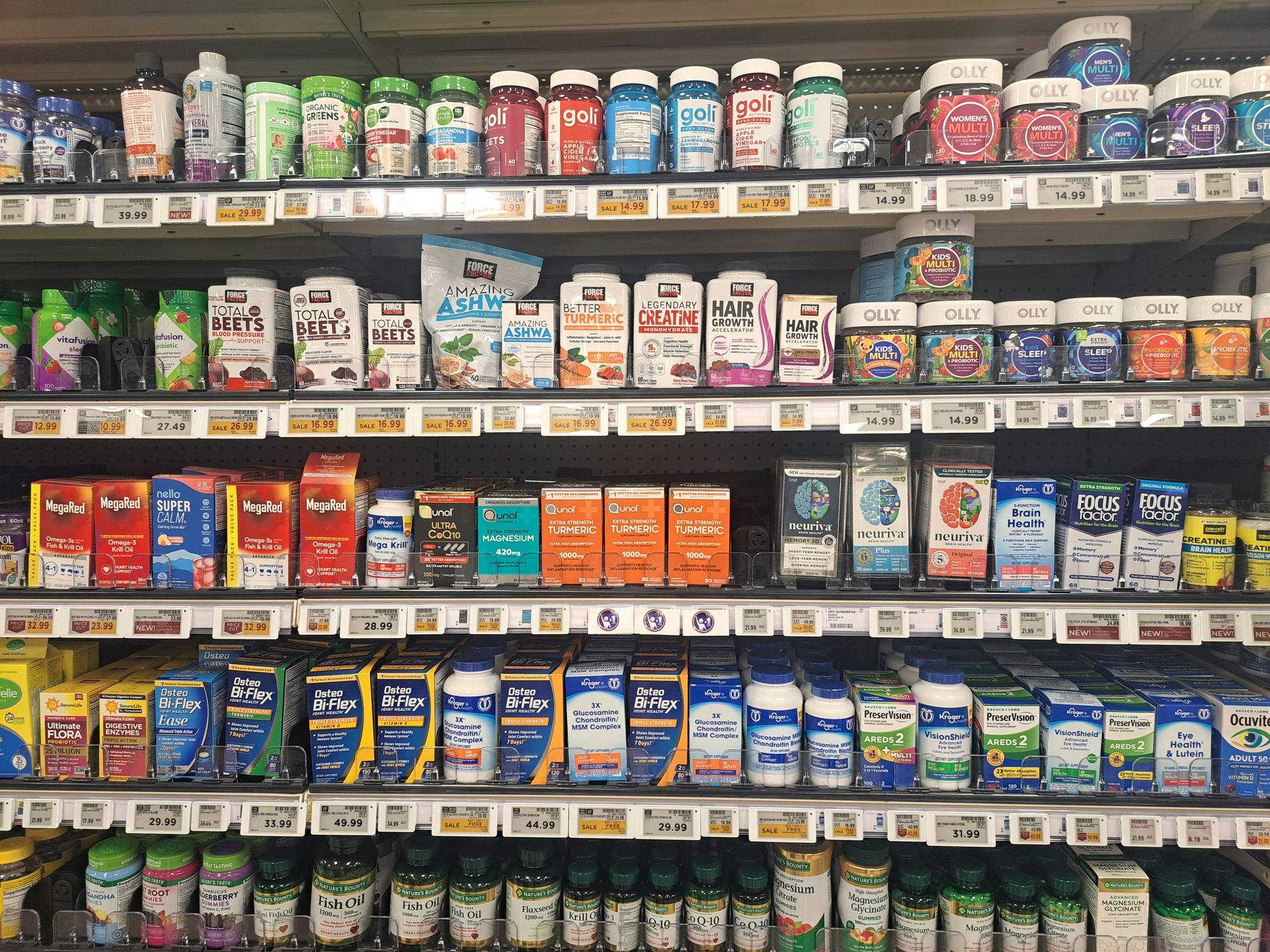
Similarly, even as companies like Starbucks push protein-packed products (seriously, who needs extra protein in their coffee?), experts in a BBC News article said most people are already eating at least 20% more protein than they need.
We are paying a lot of money fixing these “problems” that don’t actually need fixing. According to the National Institutes of Health, Americans spend about $60 billion on dietary supplements every year. However, in a society that puts a moral premium on being healthy — and keeps a very strict aesthetic standard for what health looks like — an extra couple of dollars can seem worth it if it allows you to feel better about the food you’re eating.
While I am not a health professional, I have taken enough science and English classes to have some media literacy when it comes to bad diet advice. Still, even when I can tell that a claim is too good to be true, it can be tempting to test it. If there really was a magical diet that could fix all my problems, of course, I’d want to follow it. But that diet doesn’t exist.
Most of the problems that diets and supplements are supposed to solve aren’t problems to begin with. Having acne or not having six-pack abs is normal, not a health defect. I do my best to follow science-backed diet and exercise guidelines, and my golden rule is that unless my doctor says something’s wrong, I’m probably fine.
I’ve found that taking this more relaxed approach to health, where I’m allowed to skip the gym or eat a cookie, has made my healthy habits more sustainable in the long term. I actually enjoy eating and exercising because I’m doing them in a way that is fun for me.
Enjoy what you're reading?
Signup for our newsletter
There’s nothing wrong with wanting to eat healthy or exercise, but we shouldn’t be trying to drastically alter our physical appearance. There are billions of dollars being spent on advertisements to convince us that our bodies are the problem, that if we just buy this one product, we will finally be fixed. That is, until they invent another problem to sell another product.
Eliza Sullivan is a second year double majoring in diplomacy and global politics and Russian, Eastern European and Eurasian studies. She writes for the Opinion section of The Miami Student. She is also involved with Model Arab League and the Aerial Arts club.
Read More

Beyond the surface: The hidden struggles of students with chronic illness
By Ivy Kleinman | YesterdayOn a typical day, even sitting in class can become uncomfortable for students with postural orthostatic tachycardia syndrome (POTS) or Ehlers-Danlos syndrome (EDS).

Preview: Miami softball prepares for MAC Tournament with fifth title in sight
By Zoe Fleischer | YesterdayWith only two games remaining in the regular season, the Miami University softball team prepares for its appearance in the MAC tournament.

Campus Starbucks mistakenly overcharged tax on extra espresso shots for eight months
By Evelyn Dugan | 2 days agoAll campus Starbucks locations at Miami University mistakenly charged customers with state taxes on mobile ordered drinks that included extra espresso shots since an app update on July 1, 2025.