
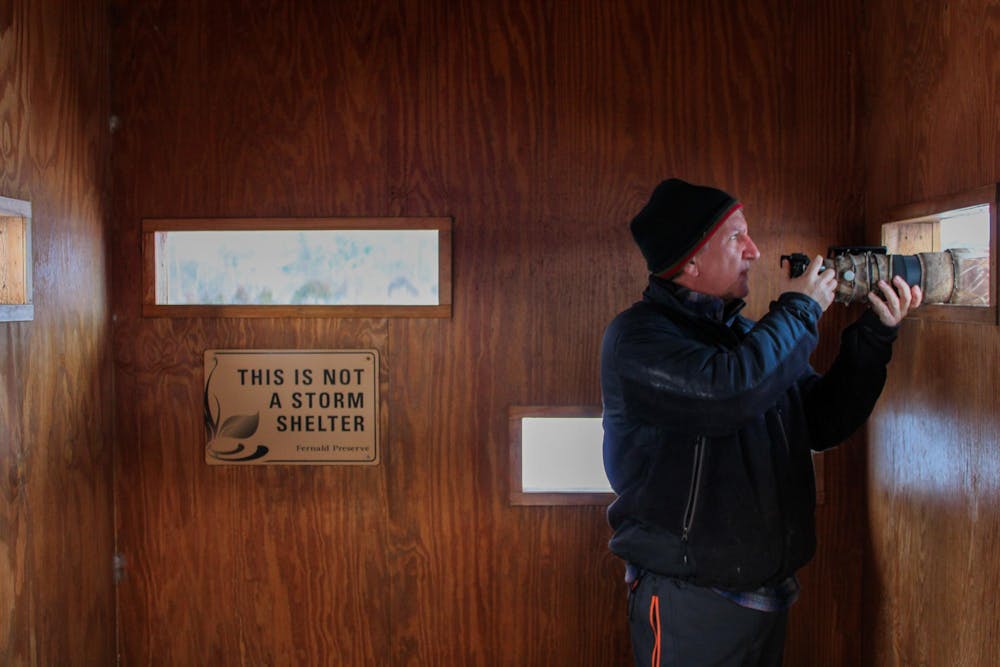
The Fernald Preserve has a unique past, present and future. Formerly a uranium processing facility, the preserve is now home to over 260 species of birds and many other animals.
Located in Hamilton, Fernald Preserve showcases its wildlife through a week-long event called the Winter Bird Festival, occurring the first week of February.
Luke Thies, an interpretive specialist at Fernald Preserve, said the Winter Bird Festival began as an opportunity for learning. Summertime bird festivals are common across Ohio, but winter festivals allow visitors to see migration in action.
“We have really good winter birds here,” Thies said. “We tried [the festival] last year, and it went really well, so we want it to grow and continue in the coming years.”
The festival includes events including bird identification, science and art stations, live music and trail hikes for all ages. Fernald Preserve collaborates with multiple Ohio organizations to put on these events, such as the Cincinnati Audubon Society, MetroParks of Butler County and the Midwest Native Plant Society.
Thies said planning for this event begins six months before the anticipated start date. Organizations work together to schedule what activities and presentations will take place, all depending on the availability of certain people.
“[Planning] wasn’t too hard because everyone was really awesome and wanted to be involved,” Thies said.
Thies said outside of planned activities, there are numerous trails and habitats to view. The Hickory Trail, in particular, includes habitats like prairies, woods and a plum thicket, bringing in rich diversity.
“I saw a bobcat for the first time out there this spring, and it was awesome,” Thies said. “That’s probably my favorite trail.”
Brian Keenan, a frequent visitor of Fernald Preserve, said his interest in the site began with photography. He started out in landscape photography, then focused on bird photography following the pandemic.
“I started getting into birds, then quickly discovered this place,” Keenan said “I come here all the time, since I live close by.”
Animals ranging from beavers to short-eared owls and harriers can be found throughout the preserve. While there are many locations to visit, Keenan said the lodge pond was his favorite spot.
Enjoy what you're reading?
Signup for our newsletter
“You can come to the same place every day in a row and not see the same thing,” Keenan said.
Thies said short-eared owls are a large attractor for visitors, as they are typically found in northern areas, like Minnesota and Montana. Other favored birds include water fowl and wintertime hawks.
“Short-eared owls are very charismatic flying above the prairie, and really visible in the evening,” Thies said. “We get a lot of people coming out to see those.”
Gayle Pille, another visitor of the festival, said her interest sparked from the presence of rare species. She said she’d like to see more protected areas like Fernald Preserve help support dwindling bird populations.
“Do what you can to help them and protect them,” Pille said. “That’s why we need more places just like this.”
According to the Fernald Preserve Fact Sheet, the site played a significant role in the first steps of the United State’s nuclear weapons production cycle. After $4.4 billion of restoration projects, the preserve’s 1,050 acres have become one of the largest human-made wetland and open water habitats in Ohio.
Uranium operations at this site began in 1951 and lasted until 1989. Fernald Preserve’s restoration project was at one time the largest environmental cleanup operation ever done in U.S. history.
Keenan said he has no complaints regarding Fernald Preserve, other than wishing he could view the wildlife from even closer.
“It’s my top place to go to,” he said. “I’ll sometimes be here five days a week, sunrise to sunset.”
Keenan said he associates the site with many special moments and experiences, not unlike the other visitors to the preserve.
Read More

Oxford helps keep the Great Miami River clean
By Cameron Murray | September 24, 2026On Sep. 19, volunteers across southwestern Ohio and southeastern Indiana participated in the annual Clean Sweep of the Great Miami River Watershed event.
Following the trail: The caretakers of our natural areas
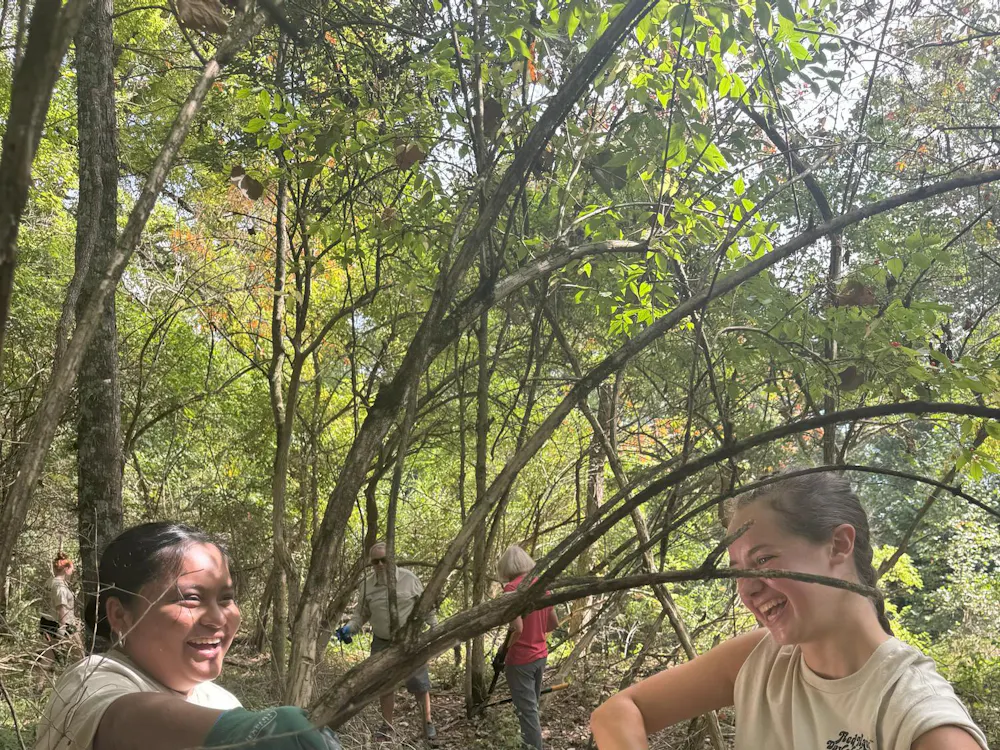
By Venezia McHenry | September 23, 2026One thousand acres of natural areas surround Miami University’s campus and contain miles of interconnected paved and dirt trails for students to use. A small natural areas team dedicates their time every week to ensure the trails are safe and enjoyable for everyone.

One man, one year, two hundred birds
By Cameron Murray | September 22, 2026At the beginning of the year, Harrison Shupe set a goal: to observe and identify 200 unique bird species in Ohio before Dec. 31. On Aug. 31, he found his 201st.