
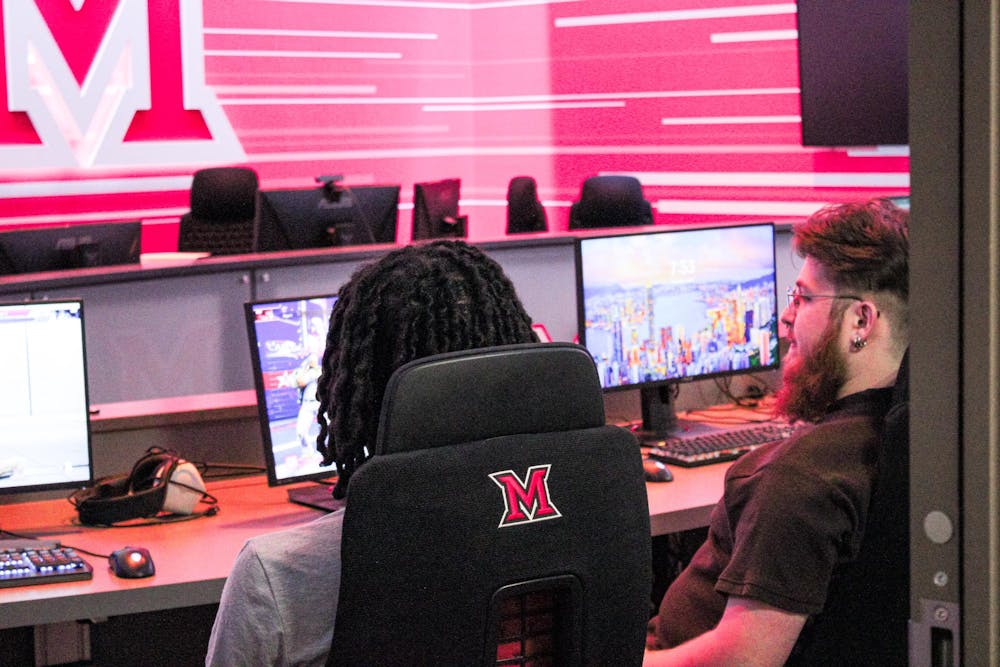
In March, members of Miami University’s varsity esports teams learned they would lose all funding for next year. On April 3, the esports program announced that they had lost funding for the entire program.
The esports program consists of varsity teams competing with schools across the country, club teams and the Forge program, which gives students opportunities to work on broadcasting and graphic design for esports events. Funding is required to pay for faculty directors, fees for joining competitive leagues and traveling expenses for in-person events.
In conjunction with the loss of funding, the esports arena in Armstrong Student Center and gaming space in King Library may be removed. James Davis, the assistant director for Miami University esports, oversees and helps manage all aspects of the program. He said the cost of running the entire esports program is relatively low.
“The program itself could run fairly comfortably at around $100,000 to $150,000, if we really wanted to stretch to make it the best we could, $200,000,” Davis said. “Compared to everything else the University is doing, for all the reputational gain the University is getting, it’s peanuts.”
Miami became the first U.S. college to have a varsity esports team in 2016. Throughout the program’s 10 years, Miami has competed in multiple games at the national level and held events at the state and regional level. This success has attracted students to Miami.
“The administration is not moved by the fact that we have 70 students who are here largely because of the [esports] program including people who are out of state, who are paying full tuition,” Davis said. “We are a nationally recognized community.”
Enjoy what you're reading?
Signup for our newsletter
Junior information and cybersecurity management major and captain of Miami’s Overwatch team, Scott Zwirn, is one of those students.
“The only reason why I chose Miami was because it was the nation’s first D-1 esports program,” Zwirn said. “Even though both the University of Rhode Island and the University of Colorado gave me more scholarships, [the esports program] was enough of a reason to go to Miami. I know that now people are looking to transfer to Bowling Green and a few other places because they have esports programs and we don’t.”
Miami’s varsity esports teams also provide opportunities for students to get experience in graphic design, video production and broadcasting. This experience has helped Miami alumni get positions in podcasts, including “The Jime Rome Show,” and in esports broadcasting at the highest level.
Isaac Arredondo is a senior marketing major who broadcasts Miami’s League of Legends games. Esports and the Forge have given him opportunities that aren’t available anywhere else.
“I grew up watching pro leagues,” Arrendondo said. “I grew up watching these people on TV casting games, they’re doing the same thing you’d see at March Madness or for the Super Bowl. I always thought that it’d be fun to do, but I’d probably never have the chance to do it and then I got the chance to do it.”
He also appreciates the community around esports and its ability to bring together people who otherwise wouldn’t meet each other.
“It’s just an awesome community of a variety of different people; we have engineers, we have business students, people from all different majors,” Arredondo said. “The idea of all of this just going away, it just sucks. I know it means so much to a lot of people, a lot of us are pretty angry … It’s heartbreaking honestly.”
Arredondo said he sees the loss of funding as following a trend of budget cuts to support athletic programs.
“The basketball stadium is going to cost a fifth of Miami’s endowment, that is a ton of money,” Arrendondo said. “We would need less than 1% of that. They’re gutting humanities programs as well. It really shows that Miami is really only focused on their student athletes right now. They’re going against [students’] wishes by building this stadium, they’re going against our wishes by getting rid of the humanities and these other programs that students are involved in.”
The esports program is currently pursuing alternative funding sources, but without financial support from the university, their operations will be limited.
Read More

Kent State eliminates Miami from the MAC tournament in a 3-1 pitchers duel
By Cooper Meneghetti | 3 days agoThe Miami University RedHawks baseball team suffered a 3-1 defeat at the hands of the Kent State University Golden Flashes. The loss eliminated the RedHawks from Mid-American Conference (MAC) tournament title contention.
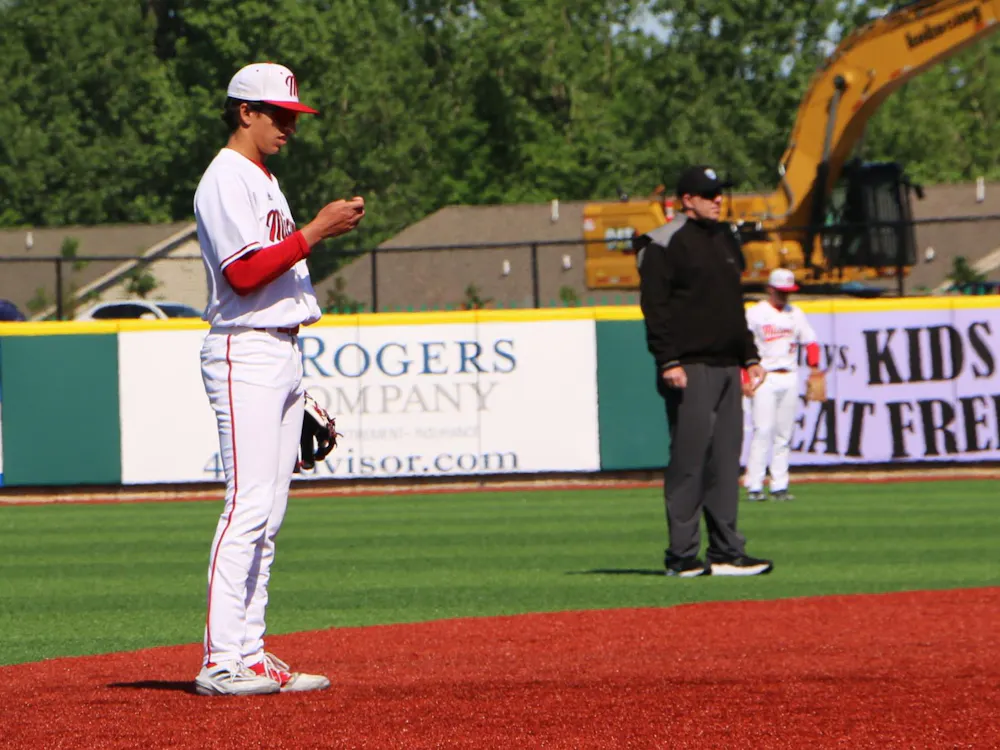
Huskies deal RedHawks first defeat of MAC tournament in a 15-inning marathon
By Cooper Meneghetti | 4 days agoRedHawks drop game one of MAC tournament to NIU
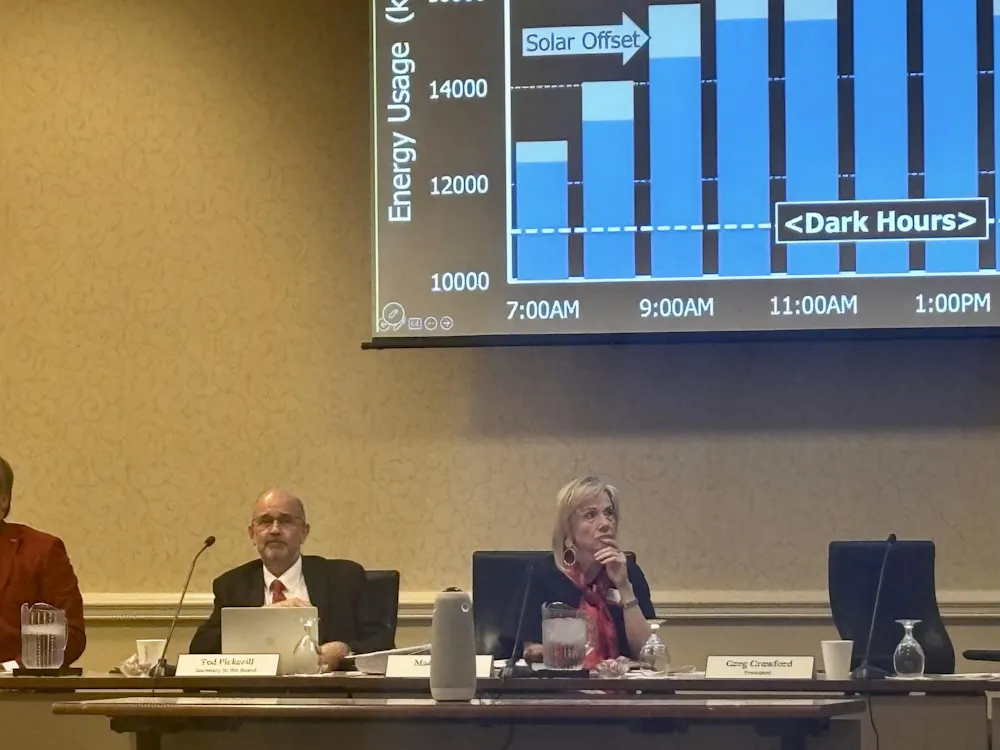
Board of Trustees approves Miami Plan changes, AI in majors and departmental mergers
By Shannon Mahoney | 5 days agoMiami University’s Board of Trustees voted to approve the Miami Integrated Learning Experience (MILE), the addition of AI across all majors, departmental mergers and increasing tuition and fees for the incoming cohort.