
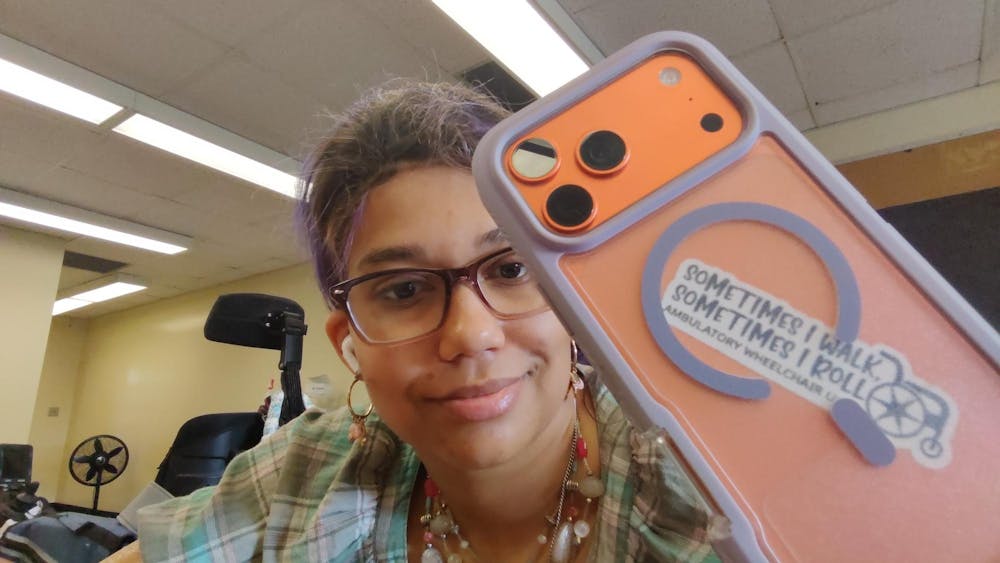
It’s a myth that all disabilities are the same. The truth is exactly the opposite. Even the same diagnosis can be completely different for one person compared to another.
Some people with cerebral palsy (CP) are completely confined to a wheelchair, dependent on a feeding tube and unable to talk. Others can handle walking short distances but need a wheelchair for longer outings. They can eat a regular diet and talk normally.
I am in the “other” category, mostly. Along with CP, I have a rare form of muscular dystrophy, a gene mutation that hardly anyone (even most doctors) has heard of: dysautonomia, juvenile arthritis and autoimmune insulin syndrome, which is best described as Type I and Type II Diabetes at the same time.
My left leg is about an inch shorter than my right leg. This has resulted in many injuries to my left knee, ankle, and foot. I now have chronic tendinitis in that foot, and when I am walking around without my crutch, I look down at my feet to ensure I am not about to make a wrong step.
I can talk normally for the most part, but I have an unpredictable speech impediment that shows up whenever it wants to. Part of this is linked to my auditory processing disorder.
Because of the neuromuscular diagnoses, I can only walk short distances and only on flat surfaces. I can only stand up for a maximum of 30 minutes at a time, but only if I’m holding onto something or using my crutches or walker. I can also walk around my house and around my job. The other times, I rely on my wheelchair.
There is a term for those like me. It’s called “ambulatory wheelchair user.” Most ambulatory wheelchair users rely on a regular, self-propelled wheelchair. I, however, rely on a full-fledged power wheelchair. My muscles, mainly those in my back and shoulders, get too fatigued using a manual wheelchair. In turn, the rest of me gets fatigued, and a perfect storm ensues.
I could not get around the campus without my power chair. In fact, when it is down, the weather is bad or the vehicle I drive to transport it is out of commission, I have to resort to riding the buses or driving around campus.
You could say that the first half of this semester was living hell for me. Thanks to the epic snowstorm Mother Nature decided to dump on us right before classes started, my power chair couldn’t go out. And for the first time since I’ve been a wheelchair user, neither could my manual one.
Then my wheelchair accessible vehicle broke down. A double whammy. For the first eight weeks of the semester, I had to use my feet. Until the snow melted, I couldn’t even take my walker out. I never thought I could navigate the campus using only my crutches. But between using those, riding the buses and driving, I did it.
It wasn’t easy. Needless to say, I was glad when that was over.
There are times when the weather is fine and dandy, and you won’t find me using my power chair or my manual chair. If I am only stopping for something to eat or to get gas, it’s too tedious to unload it. It is easier for me to just get out of my car, walk in to wherever I am going and walk back out.
Enjoy what you're reading?
Signup for our newsletter
If you don’t already know me, you can’t even tell I’m disabled — aside from my limp and the fact I have a handicap placard. When I am not using any of my mobility devices, the only sign of my disability is my oversized purse, which is necessary to carry all the medications and other supplies that I need when I am out and about.
Most people think that when you use a wheelchair, you are unable to walk at all. This is only part of the stigma that must be changed.
It is also often not realized that all the conditions I talked about above are formally recognized as disabilities under the Americans with Disabilities Act.
I am proud to be representing the Miami University community by being both visibly and invisibly disabled. But at the same time, I can’t help but feel like I am a moving target.
The world already needs more awareness regarding those with disabilities. It needs even more awareness about disabilities that aren’t always obvious.
Whitney Wilson-Harris is a journalism major with a co-major in commerce. She is also a combined graduate student in kinesiology, nutrition and health, focusing on the health education/promotion track. She initially joined the design team but occasionally writes for the opinion section.
Read More
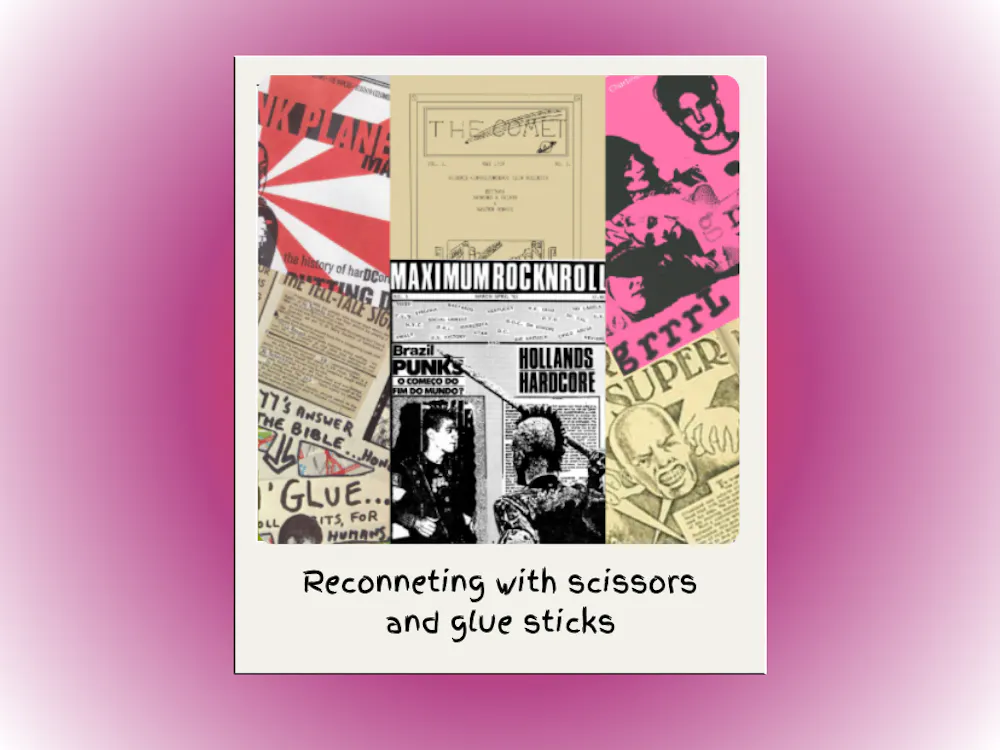
Reconnecting with scissors and glue sticks: A history of zines
By Ren Chaffee | 1 hours agoSticky fingers, paper clippings and ink smears are the fundamentals of zines. While this may sound juvenile, this accessible entrance to a nuanced community is a huge part of the appeal. Anyone can do it, any time.Stefanie Hilles, a librarian at the Art and Architecture Library, defined zines as “self-published, kind of anti-establishment, underground little magazines that, in a lot of ways, are done for the love of the game instead of profit.”

The Berry Bar is shaking things up on High Street
By Kaitlin McDowell | YesterdayIt's a high 70-degree Sunday in Oxford, one of the first of the spring season, and I find myself craving something cold, refreshing and, most importantly, nutritional. Historically, this would’ve been hard to find for students around Oxford, where Uptown is known for its assortment of bars, sandwich shops and other fast-casual restaurants.However, on April 11, a new kind of bar opened on High Street — The Berry Bar.

University housing or health violation: Miami’s mold problem
By Kenzi Perkins | Yesterday"I can understand there are a lot of bathrooms to keep clean across campus; I can deal with hair in the drain and miscellaneous bottles of shampoo littering the ground. But mold is something no one should have to live with."