
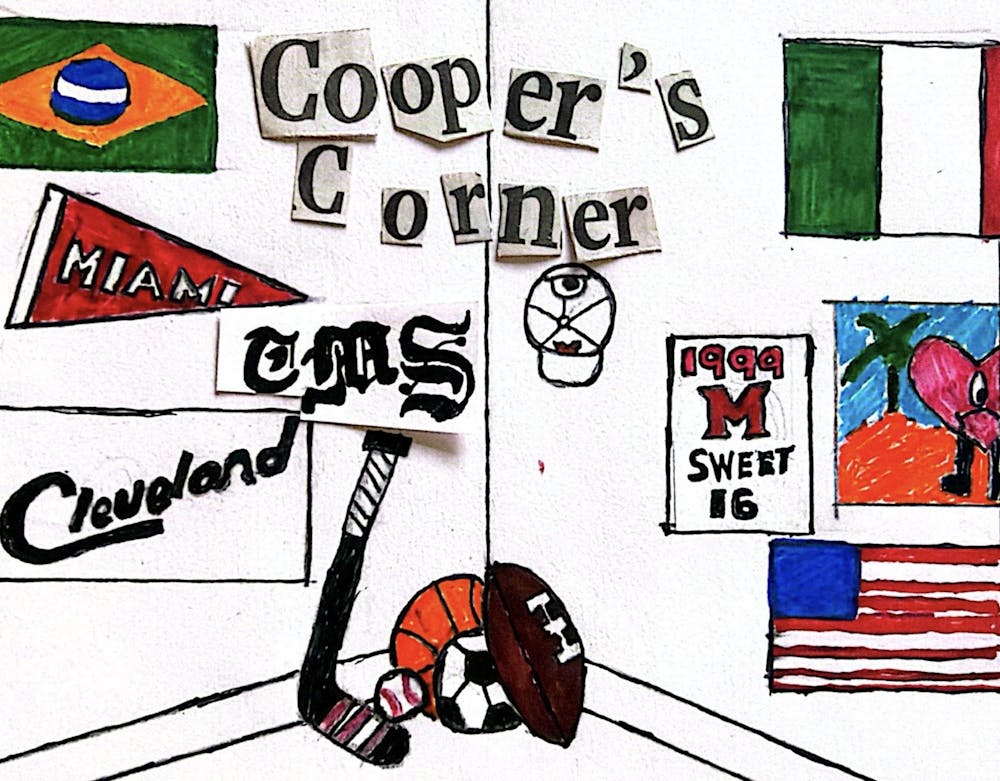
One of the perks of writing for The Miami Student is the opportunity to travel around the country covering Miami University athletics. With the unprecedented success of the Miami men’s and women’s basketball teams this March, I had the privilege of exploring some of the best cities and stadiums that the country has to offer.
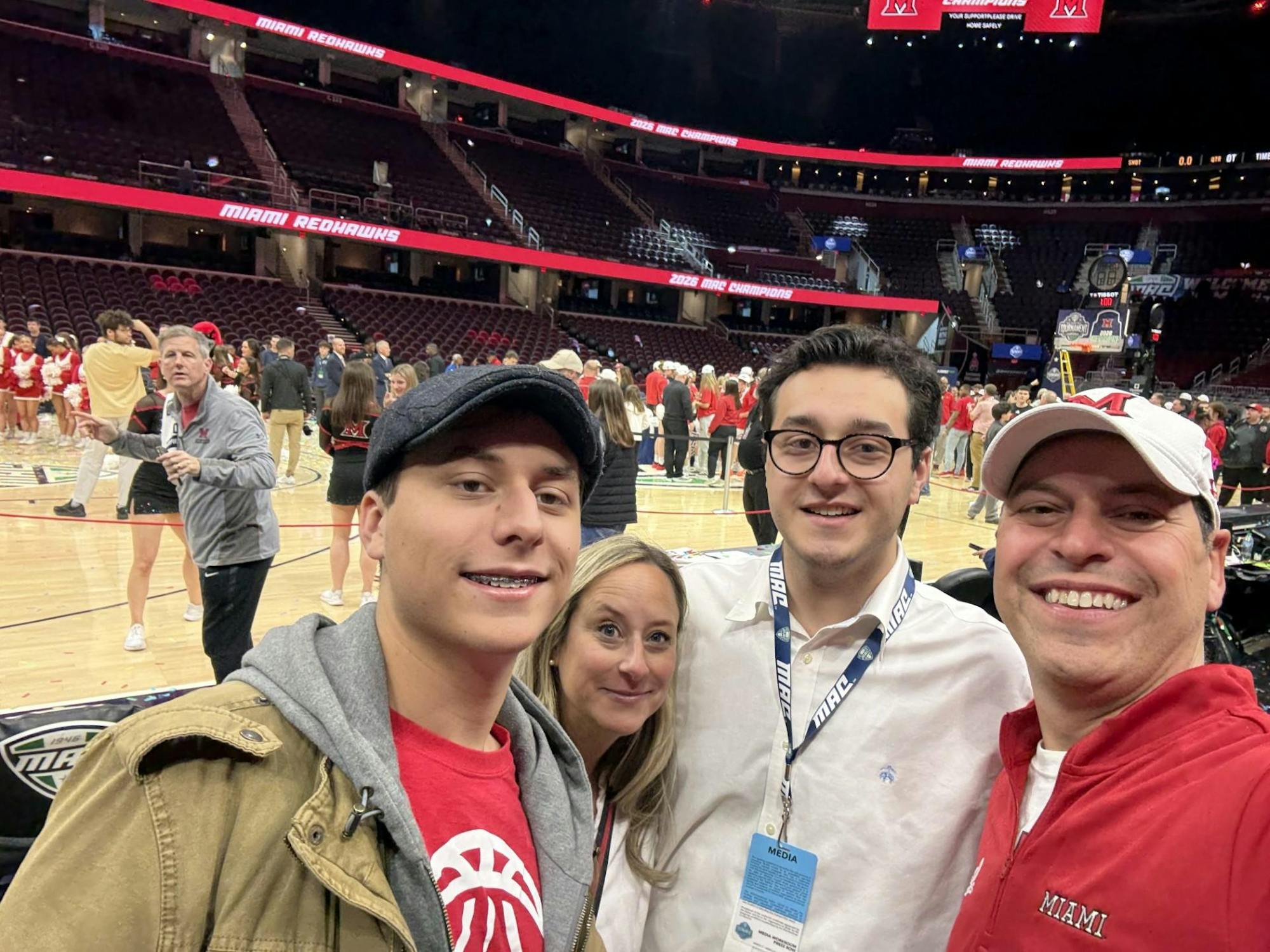
Cleveland: B+
Rocket Arena is an above-average arena in terms of amenities and fan experiences. It does not have the corporate layout many newer stadiums use. It features food from a variety of local vendors while offering the traditional stadium fare. Each seat is unobstructed, providing a great fan experience.
Inside the stadium, media members mingle with those in the club seats. The bathrooms available to both were the best stadium bathrooms I’ve ever experienced. Rocket Arena includes a dedicated press conference room that was a bit small for the amount of media members present at the championships, but it provided permanent infrastructure for press conferences.
The media facilities provided were satisfactory. Located in the top corner of the arena, the extra media setting was steep and narrow. For some reason, the chairs did not move easily, which created a variety of awkward interactions. My biggest issue with the media facilities in Cleveland was that food was not provided. Instead, media members were expected to purchase food from vending options around the stadium, most of which were not open during the tournament.
All around, Rocket Arena is a solid stadium for a basketball tournament. Although my grumblings are minor, the lack of media dining facilities ultimately lowered the score.
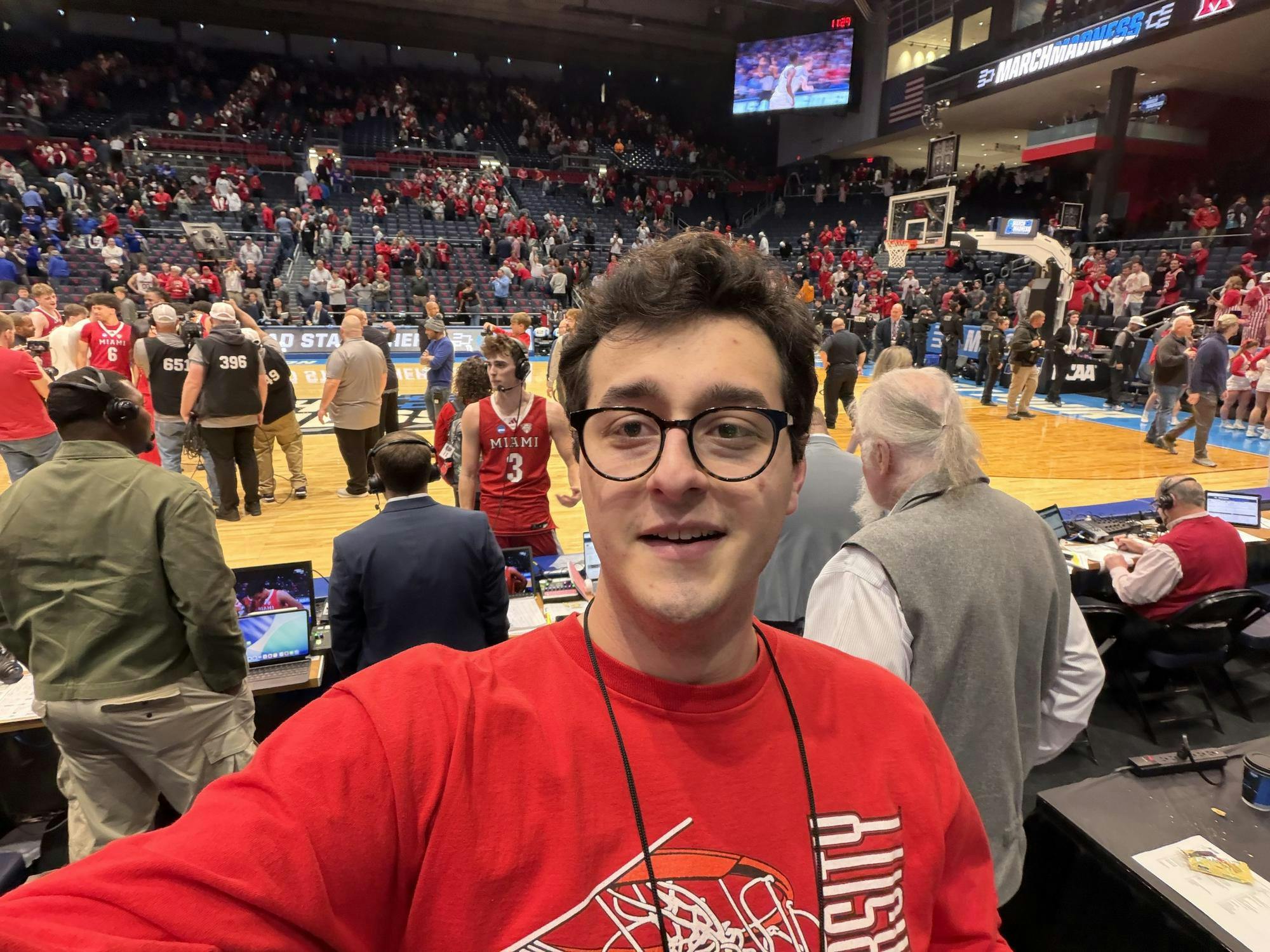
Dayton: B
Within driving distance from Miami’s campus, the University of Dayton (UD) Arena provided a spectacular experience for Miami fans. Smaller than most sites for the NCAA Tournament, UD Arena still holds up with the grandeur of the other stadiums. The seats go up quite high, but the video board is large enough to fill in the gaps for fans in the upper decks.
Media facilities were located in the far reaches of the arena but were expansive and provided an assortment of snacks. The court was accessed by an incredibly steep ramp, which was also used to access the makeshift press conference facilities. Unlike Cleveland, I was able to sit at a table three rows out from the court. Media members were provided a food voucher in place of the traditional media meal. Although the facilities were clearly college level, Dayton made the most of what they had available.
Enjoy what you're reading?
Signup for our newsletter
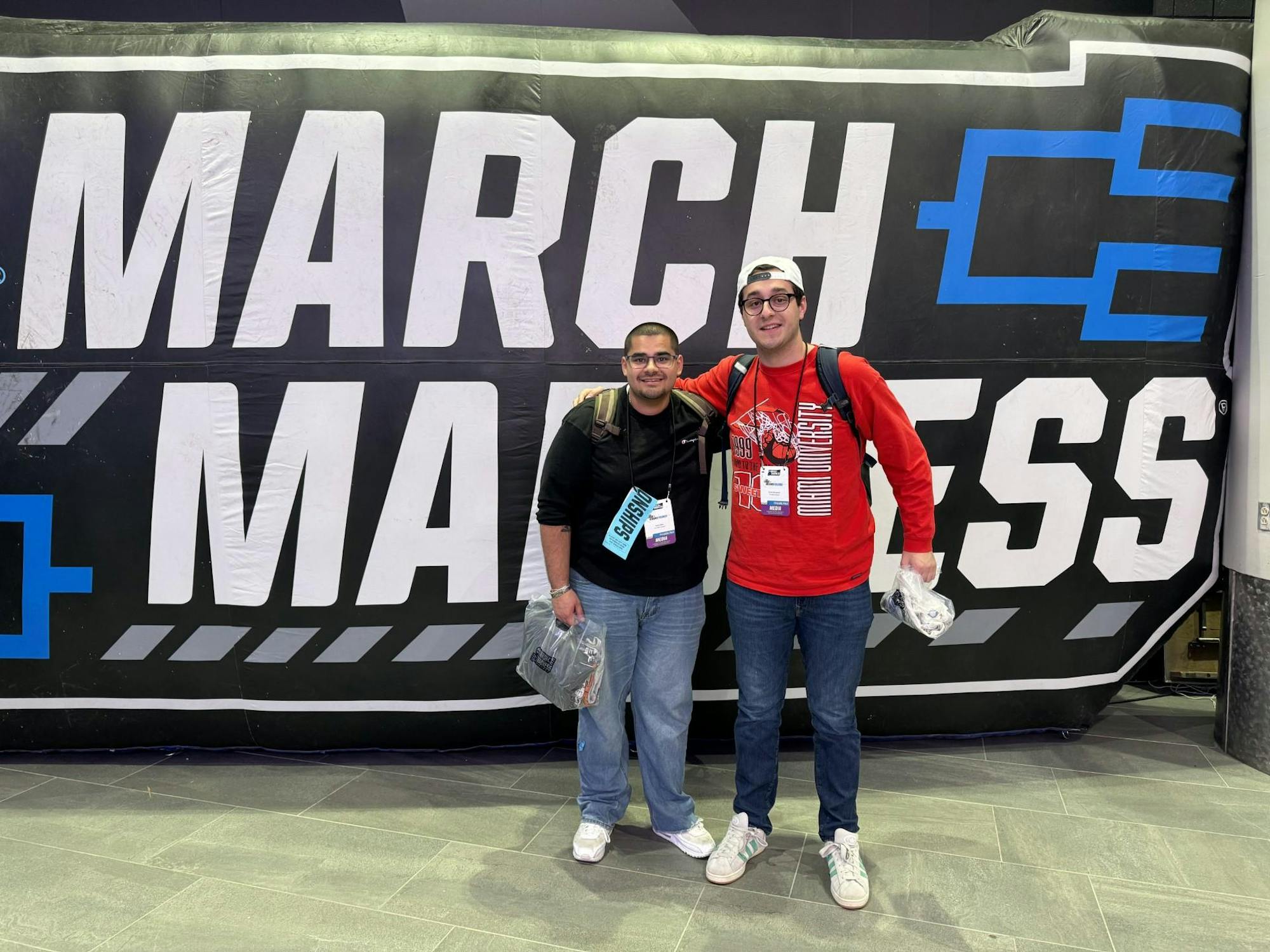
Philadelphia: C+
Xfinity Mobile Arena is as cookie-cutter as they come. It is a perfect oval built around the hockey rink with an upper and lower deck setup. Concession stands provided a variety of local vendors and arena staples. The only truly unique feature of the arena is a quirky scoreboard that seems to curve based on where patrons are seated. The media facilities provided for the tournament were not up to the standard of the other locations visited.
A media meal was provided, however only at specific times. Driving to the venue for the second game, meal service had stopped. I was left with eight hours of an empty stomach and only the provided Planters trail mix to quell my hunger. In addition, the press room and interview facilities were constructed out of makeshift black curtains, unlike Cleveland’s permanent press room.
That being said, I will not complain much about Philadelphia since I was able to sit one row out from the court next to one of the legends of March Madness TV production, Steve Scheer. Although Miami struggled to find offense, I was privy to a front row seat and countless stories about what makes the tournament so special.
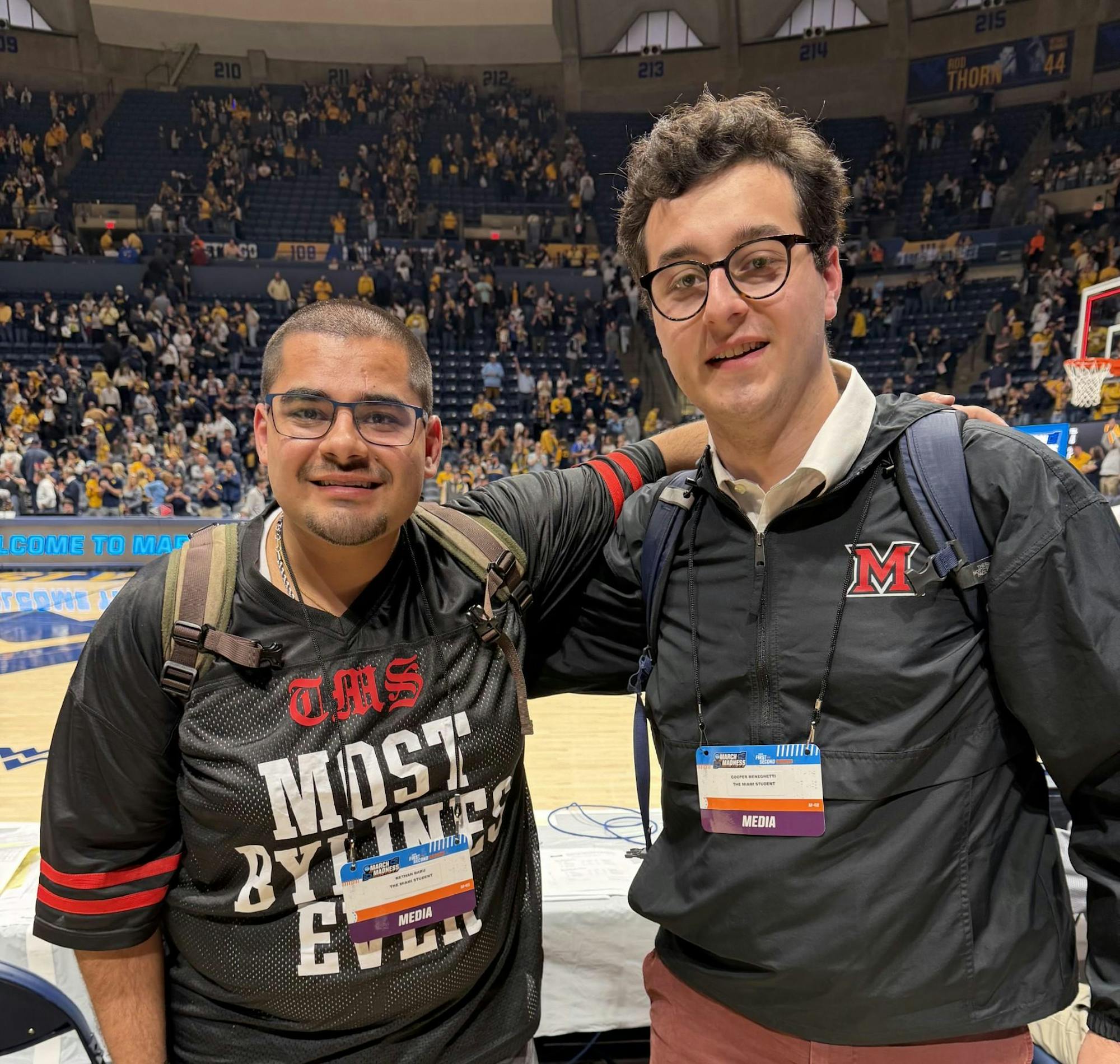
Morgantown: A
I cannot say that I expected much from West Virginia University, and yet, at every turn the Mountaineers showed my naivety.
The Hope Coliseum is one of the coolest venues I’ve seen. The giant concrete dome was sold out, and the echo of 14,000 screaming fans created a raucous environment. I have no idea how an opposing team could steal a game from the Mountaineers in a sold-out coliseum.
Although the food selection was not nearly as vast as the NBA arenas I visited, and the merchandise supplied was not nearly enough, the experience was so unique. The Hope Coliseum is a must-visit for basketball’s most obsessed.
Hearing the building echo with the sound of the song “Country Roads” by John Denver is a once in a lifetime experience.
For media members, the university was a gracious host. The meal was provided by a concession voucher. With my media credential, I was able to sit courtside, next to the ESPN crew broadcasting the game.
WVU was a well oiled machine, providing printed stat sheets or any other material media members needed. I feared that Morgantown would not be prepared for the experience, and instead, the hospitality made the loss bearable.
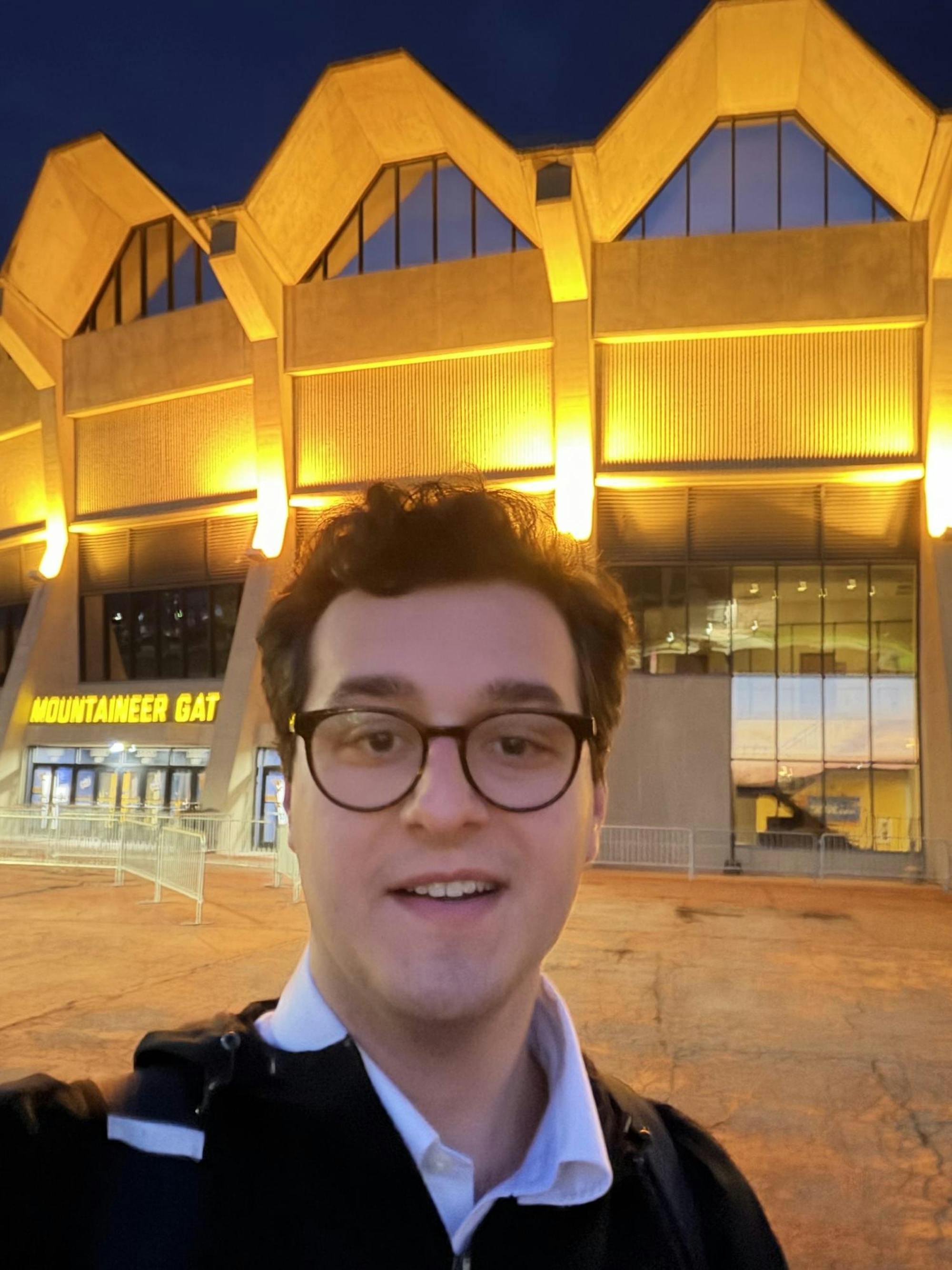
Other hijinks:
In total, I traveled at least 1,817 miles and drove a total of 28 hours, which inevitably led to other adventures along the way.
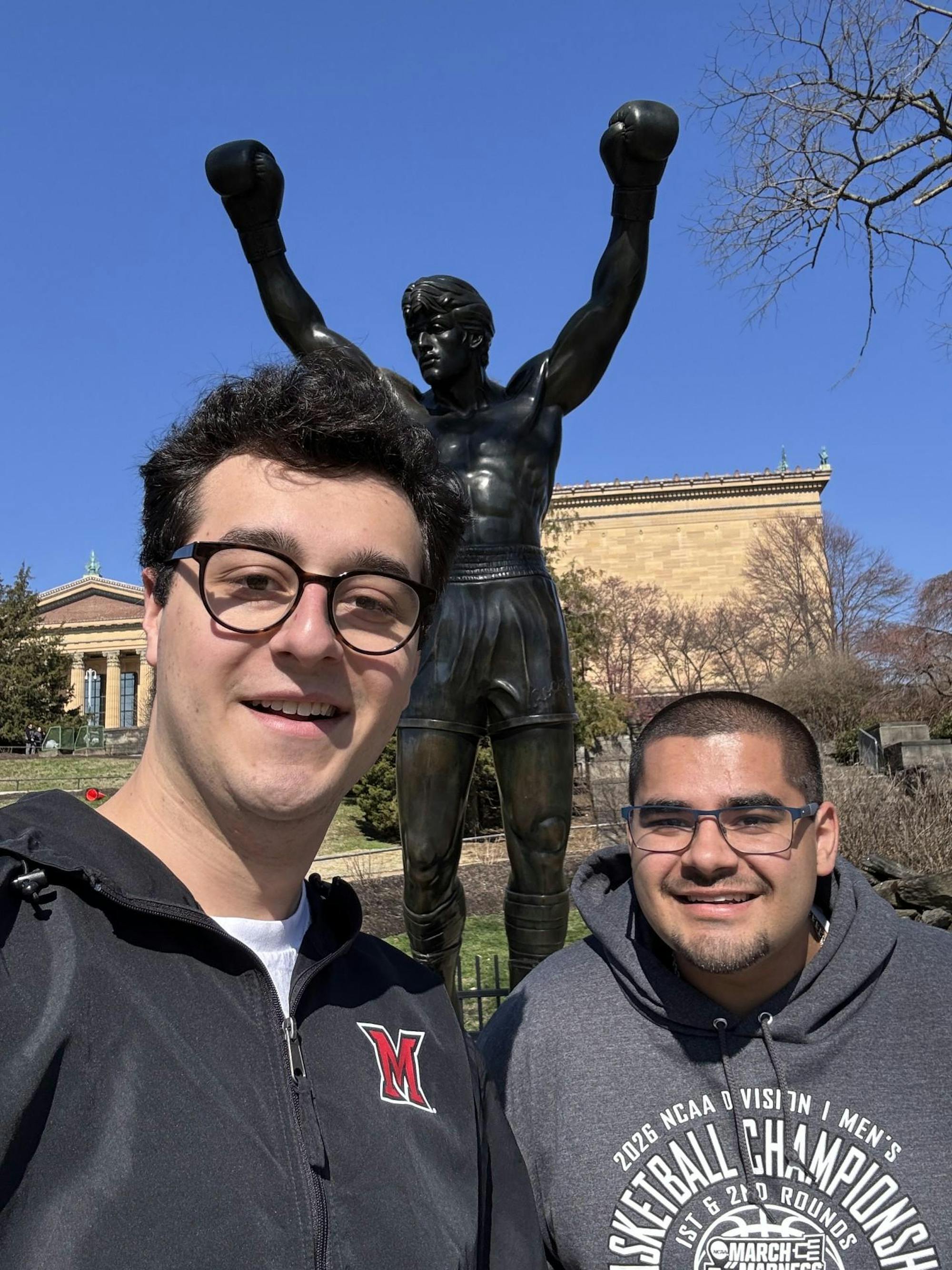
Bario Tacos in Cleveland is always a fan favorite, Zio's Brick Oven Pizza has the best cannolis in Philly and don’t bother stopping at Roy Rodgers’ on the Pennsylvania Turnpike unless you have to spend money. Philadelphia has the worst traffic I’ve seen in my days globe trotting, hotdogs are way too expensive in NBA arenas and the NCAA charges way too much for commemorative memorabilia.
Overall, my experience covering basketball for The Miami Student this year was a treat. Each experience was a memory I will never forget. I’m not sure how I will ever go back to watching a sporting event without an up close experience full of free snacks.
Read More

The bond behind Blake Mesenburg’s Teammate of the Year finalist selection
By Graham Young | YesterdayBlake Mesenburg and Liam Jergenson have formed an incredible bond through Team IMPACT and the Miami University RedHawks hockey team.

From Carmel to Reese’s: Suder competes in NABC All-Star game
By Vincent Jolliff | 2 days agoMiami University RedHawks senior guard Peter Suder competed in the National Association of Basketball Coaches (NABC) Reese’s Division I College All-Star Game on April 3.