
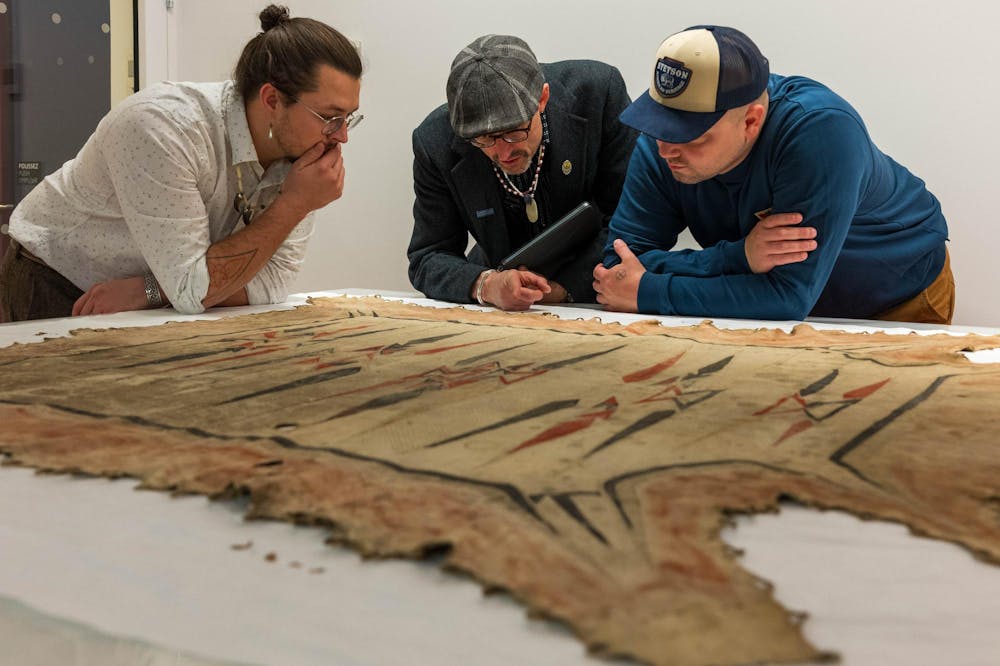
In 1725, Louis XV welcomed four Native American chiefs and a Native American woman from the Mississippi Valley for a diplomatic visit to France.
The new exhibit in the Palace of Versailles coincides with the 300th anniversary of this visit, showcasing the ties between the French and Native American nations during the 18th century. The exhibit opened on November 23, 2025, and will remain open until May 3.
At the start of the 18th century, Native American nations and the French already had a diplomatic alliance due to the Great Peace of Montreal of 1701.
The visit of the chiefs to France strengthened their relationship as they attended a royal hunt with the king, gave speeches and exchanged gifts such as peace pipes, headdresses, bows and gold medals. Portraits from this meeting are on display in the exhibit, including important French figures and a Miami Native American, displayed in France for the first time.
George Ironstrack, citizen of the Miami Tribe of Oklahoma and assistant director of the Myaamia Center, has been involved with the exhibit since 2020. He said that through his work and research with the exhibit, he has felt connected to his ancestors and those who made these visits to France.
“I think a lot of people think of Indigenous people [visiting] as strange or exotic, but there's actually a long history of traveling to France,” Ironstrack said. “Our visits, following this work that started in 2020, in many ways are connected to that history of Indigenous people visiting Europe for generations.”
Enjoy what you're reading?
Signup for our newsletter
Ironstrack is part of The Reclaiming Stories Project, a team dedicated to researching Miami and Peoria tribes’ history and culture. They received a $500,000 grant in 2021 by the Mellon Foundation and Humanities Without Walls for a project called “(Re)connecting Indigenous Painted Hides to Communities through Collaborative Conversations,” which centers around hide paintings in the Musée du quai Branly-Jacques Chirac in Paris. This project is led by the University of Illinois Urbana-Champaign and has partnered with the Miami Tribe of Oklahoma and the Peoria Tribe of Indians of Oklahoma.
The hide robes or “minohsayaki” that are on display in the exhibit were a diplomatic gift to the French during their visit in 1725. The robes were created by members of the Peoria Tribe, but similar ones would have been made in the Miami Tribe as well.
Nate Poyfair, second councilperson and project manager in the cultural resources office in the Miami Tribe of Oklahoma, said seeing the hide robes in the exhibit felt like taking a step back in time.
“This hide was created 300 or more years ago, and it looks like it was created yesterday,” Poyfair said. “It was so well preserved, it connected you to another person. I was imagining most likely at the time, women created it. So, I was imagining these women, not very likely, but I could be descended from them; they could be ancestors of mine.”
Logan York, citizen of the Miami Tribe of Oklahoma and tribal historic preservation officer, was a scientific advisor with Ironstrack. He said his work focused on deciding what objects would be featured in the exhibit and how the labels would explain the objects’ significance to the public.
York said he attended the opening night ceremony and was overwhelmed with positive emotions when he saw all the work the team put in come together.
“The fact that such an important place has something that I helped work on is kind of crazy,” York said. “I've worked on museum exhibits before, but if you would have told me that something I helped work on would go into Versailles a couple of years ago, I definitely would have called you a liar.”
Ironstrack said he hopes to bring this exhibit to Oklahoma so everyone can experience the history and learn from the artifacts. He said having these robes can also give researchers information about what materials, minerals and paints might have been used during the time.
He also said this project has provided historical context about the Indigenous and French histories for everyone involved.
“What I've experienced is that the French curators and museum staff learn from us the indigenous context for these objects, so that they know a lot about the object in isolation,” Ironstrack said. “We know a lot about the cultural and historical context of these objects, of the maps, of the history of these leaders' visits, because we're usually the foremost experts on our people's histories. Both groups have to come together to be able to tell a complete story about these ancestral objects resting in storage in Paris, France.”
Read More

Meet the Columnist: Karma Abboud
By Karma Abboud | 2 days ago"While I still love creative writing, creating opinion articles for The Miami Student is not just a hobby or coping mechanism: It allows me to share my thoughts confidently with the Miami community."
Agree to disagree: Debate club fosters inter-club dialogue
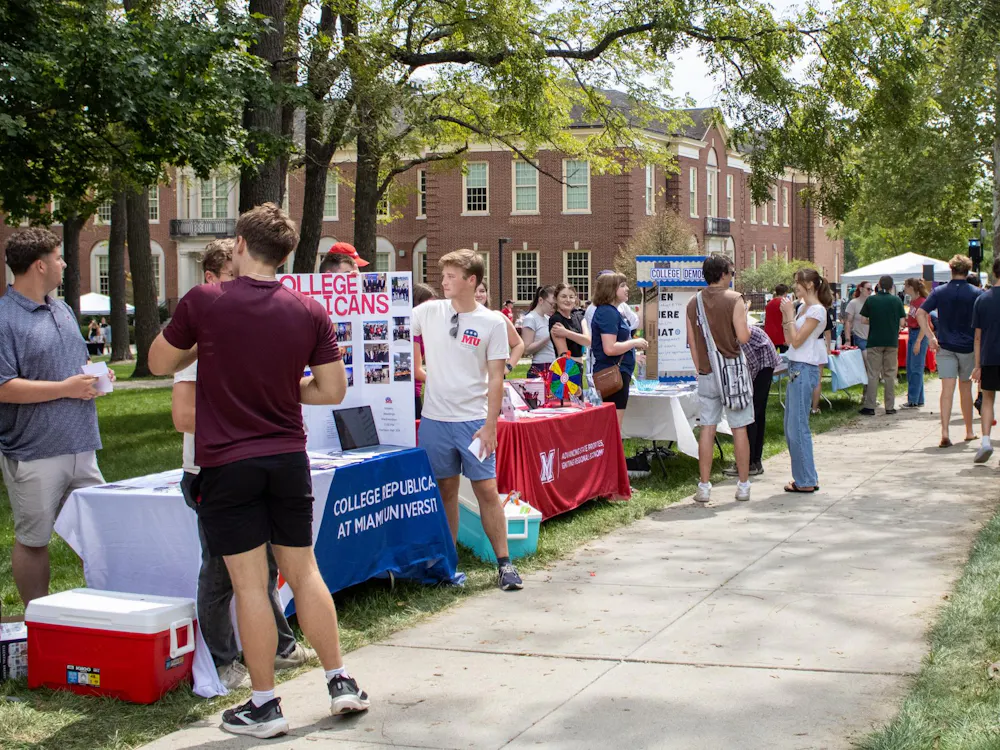
By Elisa Rosenthal | 2 days agoThe Miami University (MU) Debate Club is preparing for its second annual College Democrats and College Republicans debate. This bipartisan event drew 800 people last November, a total far exceeding the 500-seat space.
Recommendations from a reminiscing junior on having roommates
By Jada Rogers | 2 days ago"I made myself miserable as a first-year student because I refused to make other long-term friends, swayed by my own misconception that my roommate was the only person I needed. Humans crave companionship, so please go find your people."