
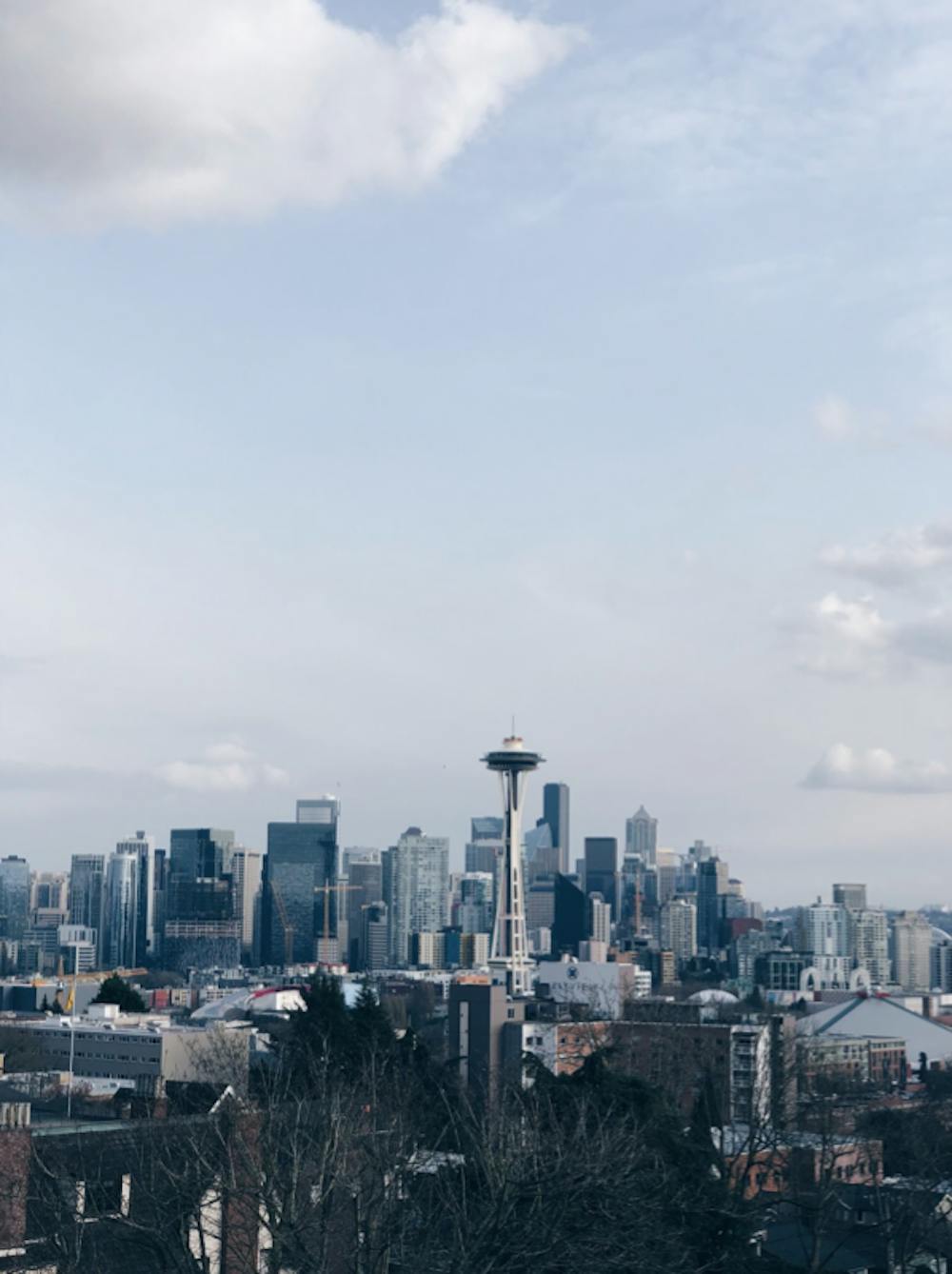
By: Sofia Liszka
To many, the city of Seattle is known as the home of the Space Needle, Amazon, super loud Seahawks football fans, Starbucks coffee and delicious seafood. While this is all true, Seattle has made a notable impression in the world of urban sustainability, too. San Francisco seems to rule the West Coast with environmental leadership, but Seattle shouldn’t be ignored, especially as it continues on a path of rapid physical expansion and shifting social dynamic.For Seattle, development has brought elevation of sustainability standards, a testament to the values of its citizens and policymaking bodies. As a traveler and environmentally-geared student visiting this city over spring break, I noticed efforts from the individual level up to small businesses and corporations that embraced sustainable measures. With that in mind, I’d like to shed light on each of these respective spheres through observations and anecdotes from my visit to this city. Outside of my takeaways, check out Seattle’s Office of Sustainability and Environment for more on its green initiatives and goals.At the individual level, I was immediately struck by the prominence of composting in the city. There was a compost bin in my Airbnb, which was a pleasant surprise, but after walking around the city for a bit, I noticed trash cans grouped with recycling bins and compost bins. There were bins at the famous Pike Place Market and inside restaurants, too. It wasn’t until the drive back to the airport that I saw the collection facility where mountains of compost’s signature dark soil sat near towering blocks of compressed recyclables. Compost in Seattle, while ultimately an individual and residential effort, seems to be greatly influenced by the vendors and restaurant industries that define the city’s cuisine. These businesses are guides for the waste stream generated by their products. Starbucks, headquartered in Seattle, has also rolled out its strawless lid in stores and offers compostable straw alternatives for cold drinks. Since adopting composting as a city in 2014, Seattle has made a plethora of resources available to citizens and businesses in order to ease the adjustment process. Ultimately, these actors must learn how to change their trash habits, a challenge rooted in social routine. The motivation to adopt composting comes from resisting the tendencies of a society driven by the quick fix of “Just throw it away!”Shifting away from waste, another global environmental issue that Seattle is grappling with is fishing: how can sellers fish sustainably while also taking into account the health risks associated with their catch? Seattle sits just south of Puget Sound, an inlet with wildlife struggling to survive within extremely polluted waters. Impacts on stocks of fish and other seafood are noticeable both financially and nutritiously. On Alki Beach outside of the city, a posted sign, pictured below, warned residents about dangerous levels of biotoxins found within sealife at this location. As tourists and residents, eating wild-caught seafood is a pricey delight, but advisories to limit consumption of fish exist in Washington and around the country because harvested species can accumulate high levels of hazardous compounds in their bodies.

Photos by Sofia Liszka